Greencore category lead and BSA Management Committee member, Arun Mayor, reveals areas of focus for the business, including an expansion of its product repertoire.
DRIVING FORCE
As we enter 2026, the UK food-to-go market continues to evolve at pace. For Greencore, the year ahead is defined by staying relentlessly close to the consumer, supporting our retail partners with insight-led growth strategies and strengthening leadership across the wider chilled food landscape.
From an external perspective, our obsession with the consumer has never been stronger. During 2025 we saw FTG missions, needs and expectations evolve faster than ever – and we expect that pace of change to accelerate further.
The customer is more informed, more demanding and more open to experimentation. In response, we will create products grounded in consumer insight, while supporting retailers with the strategic thinking required in an increasingly competitive market.
A key enabler of this is the evolution of our long-term Category Drivers. These will be refreshed and redeployed in 2026, providing a clear framework to underpin FTG strategies over the next three years and beyond. Importantly, these are not static – they are designed to flex as consumer behaviour continues to shift.
Internally, a major focus for 2026 will be the integration of Bakkavor. Bringing together two leading chilled food businesses creates an exciting opportunity to combine complementary strengths, capabilities and expertise. Our priority throughout this process is clear: to integrate seamlessly, while maintaining absolute continuity of excellent service for retail partners.
BROADER SCOPE
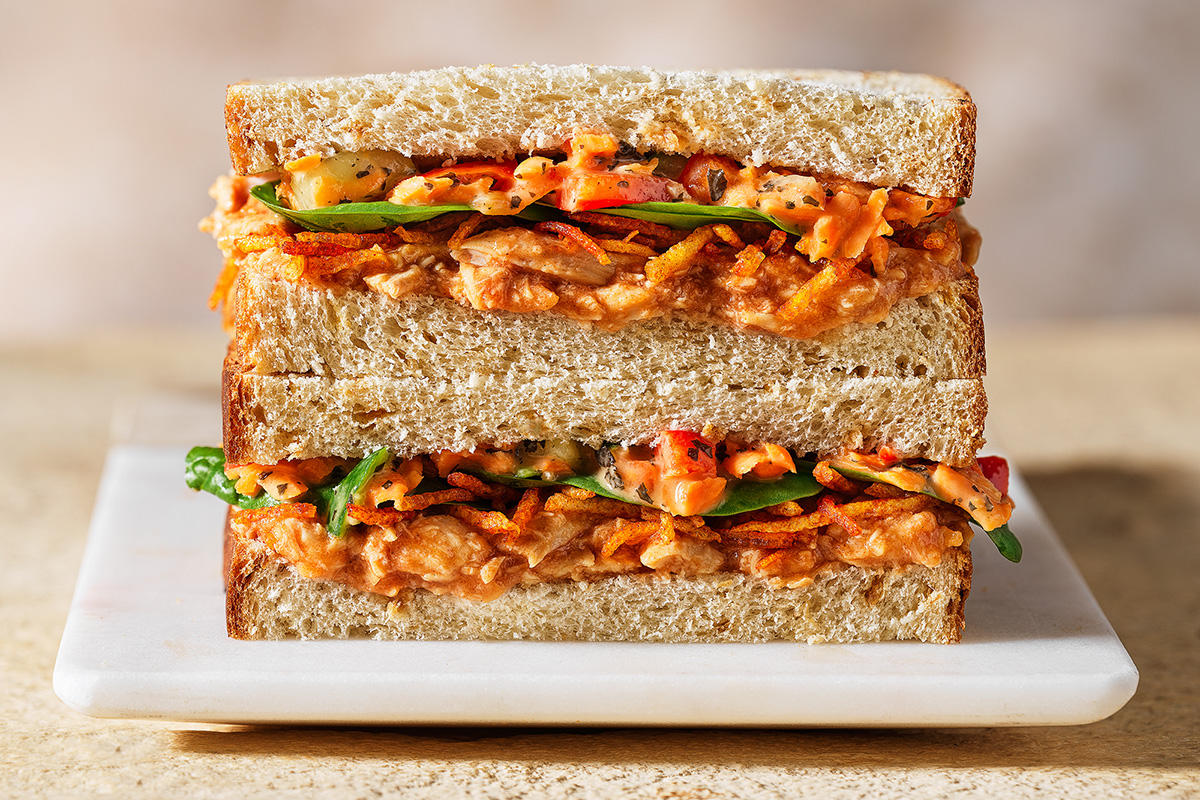
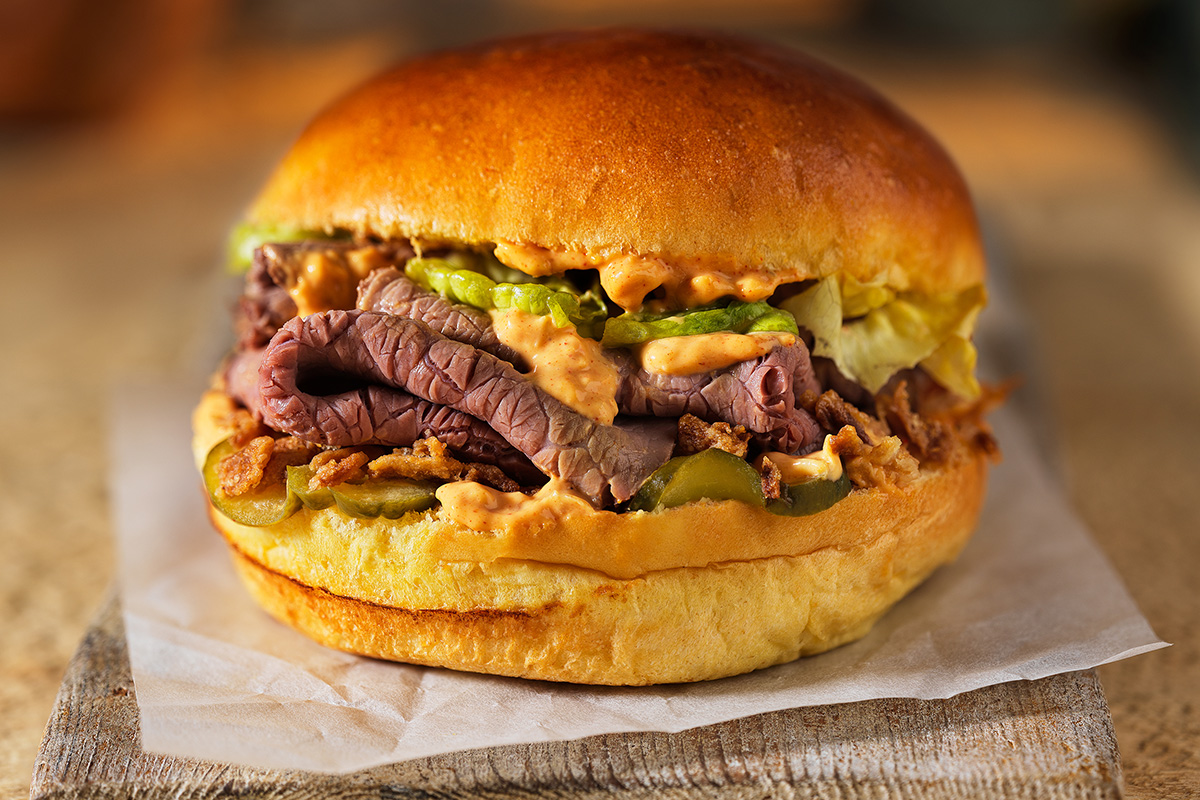
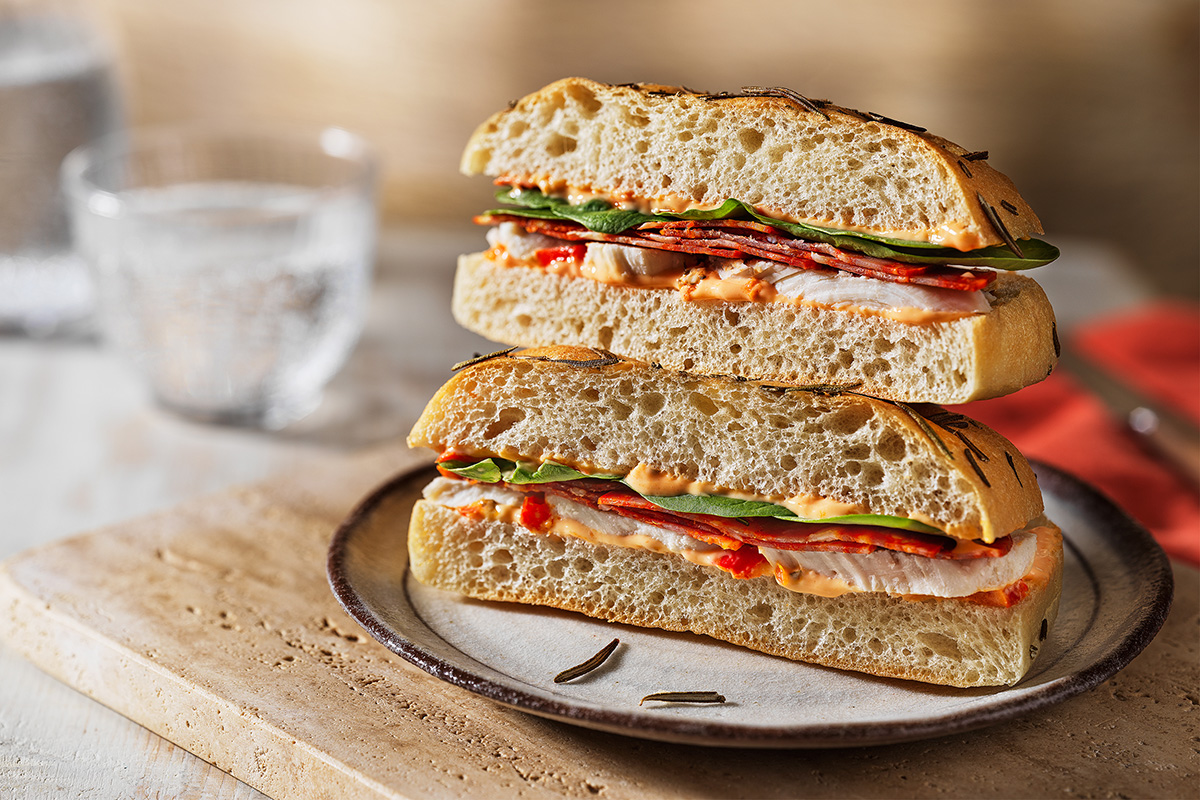
While Greencore is synonymous with sandwiches, our output has evolved significantly in recent years. FTG is no longer defined by a single format, and demand continues to broaden across salads, sushi, ready meals and snacking occasions.
That said, the sandwich remains a cornerstone of the category. In 2025 alone, over 610 million sandwiches were sold in the UK (one). This enduring popularity reflects an unbeatable combination of familiarity, convenience and value for money.
The opportunity, and challenge, lies in balancing this core strength with innovation across adjacent categories, ensuring retailers can offer both trusted favourites and fresh points of difference on shelf.
And one notable trend is consumers seeking greater variety – not just in terms of flavour profiles but also formats and eating occasions. A standout example was the Strawberry Sando, where demand significantly exceeded expectations. Its success highlights a willingness to embrace novelty, especially when blending familiarity with inspiration from global food culture.
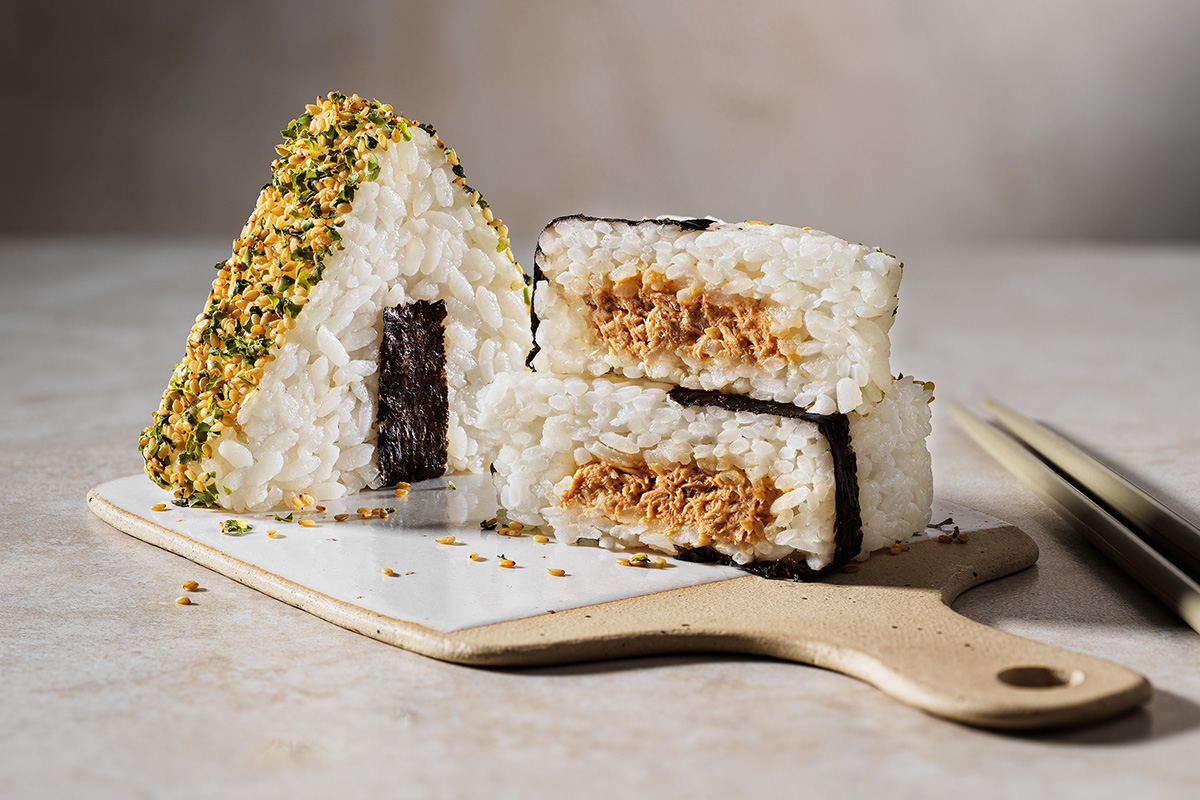
Sushi continues to be another major growth driver, with market volumes up 14% year on year (two). This reflects a broader appetite for pan-Asian cuisine and product formats. Sushi has evolved far beyond its traditional fish-based roots, incorporating Western flavours, indulgent toppings and sauces, and formats such as onigiri that lend themselves perfectly to on-the-go snacking.
However, these trends must be viewed through the lens of ongoing cost-of-living pressures – value for money remains paramount. Consumers want excitement and variety but not at the expense of affordability.
Alongside this, convenience and speed will shape purchasing decisions in 2026, while the younger generation’s desire for instant gratification needs to be balanced against price sensitivity. Our role is to deliver great-tasting products within frictionless, efficient shopping journeys. With so much competition for on-the-go food & drink spend, getting this right is critical.
BSA COLLABORATION
As a member of the BSA Management Committee, I’ve seen first-hand the important role the Association plays for both its members and the wider industry.
One achievement we were particularly proud of in 2025 was our work to improve hospital patient safety. Collaborating with NHS Supply Chain Food, the BSA helped drive positive changes to Patient Feeding Supply Standards, reducing the risks posed by listeria. These were endorsed by the Food Standards Agency, NHS England, the Hospitals Caterers Association and British Dietetic Association, demonstrating a powerful example of what collective action can achieve.
Looking ahead, the BSA has ambitious plans for 2026. A key objective is to bring members together more frequently to connect, learn and share best practice across the industry. There is real momentum behind this agenda and I’m excited about what lies ahead.
As FTG continues to evolve, consumer insight and effective category management is more important than ever to this resilient and exciting sector – and I’m sure 2026 will not disappoint!