
CATEGORY SHIFT
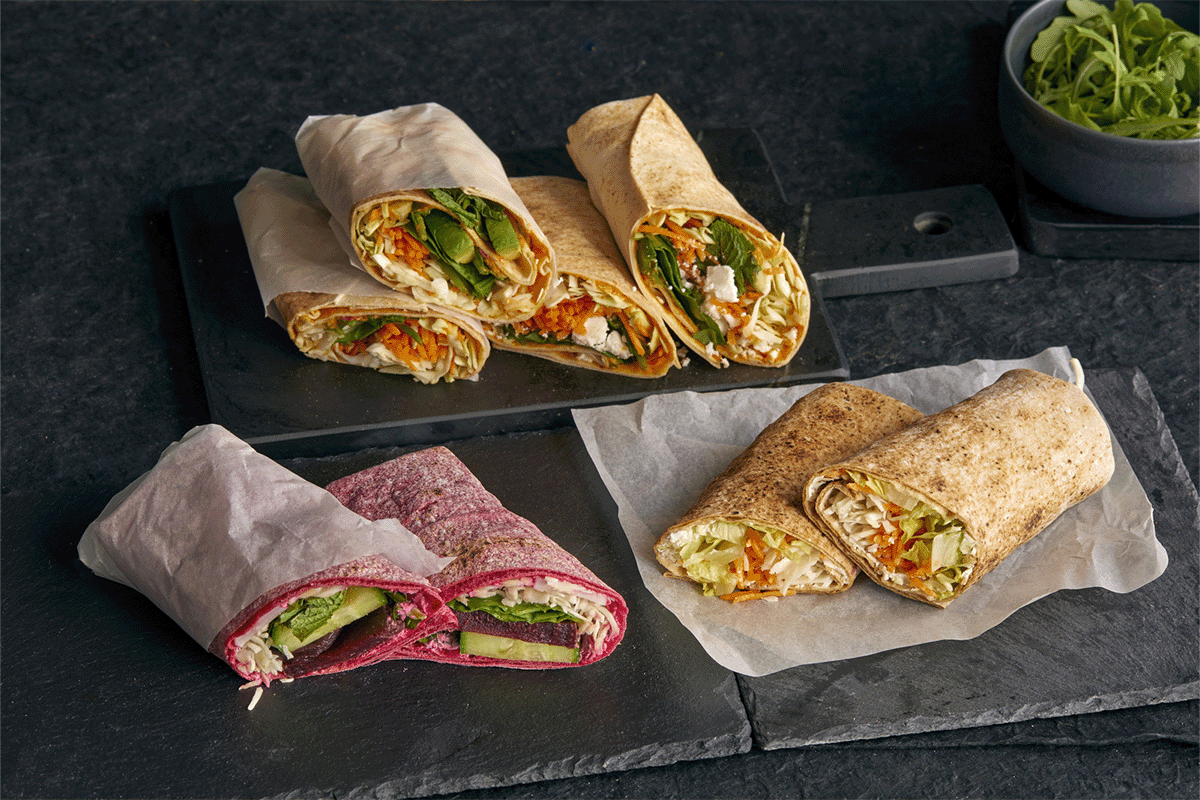
Convenience may remain fundamental in FTG but consumers increasingly expect more from the experience. Quality, global discovery and interesting textures are important differentiators, creating opportunities for operators to rethink not only what goes inside a sandwich or wrap, but the bakery carrying it.
The commercial backdrop remains positive. Lumina Intelligence forecasts the UK FTG market to reach £24.9 billion in 2026, up 3.4% year-on-year. Its latest analysis also points to global flavours helping shift the category beyond a purely functional lunch solution towards greater discovery and premiumisation.
A clear development is the continued mainstreaming of international influences. We have seen this first-hand through our involvement with the Sammies Awards, which La Lorraine Bakery Group first supported in 2025. Interesting textures and formats crossing different dayparts featured strongly – however, creativity has been balanced with portability and commercial practicality.
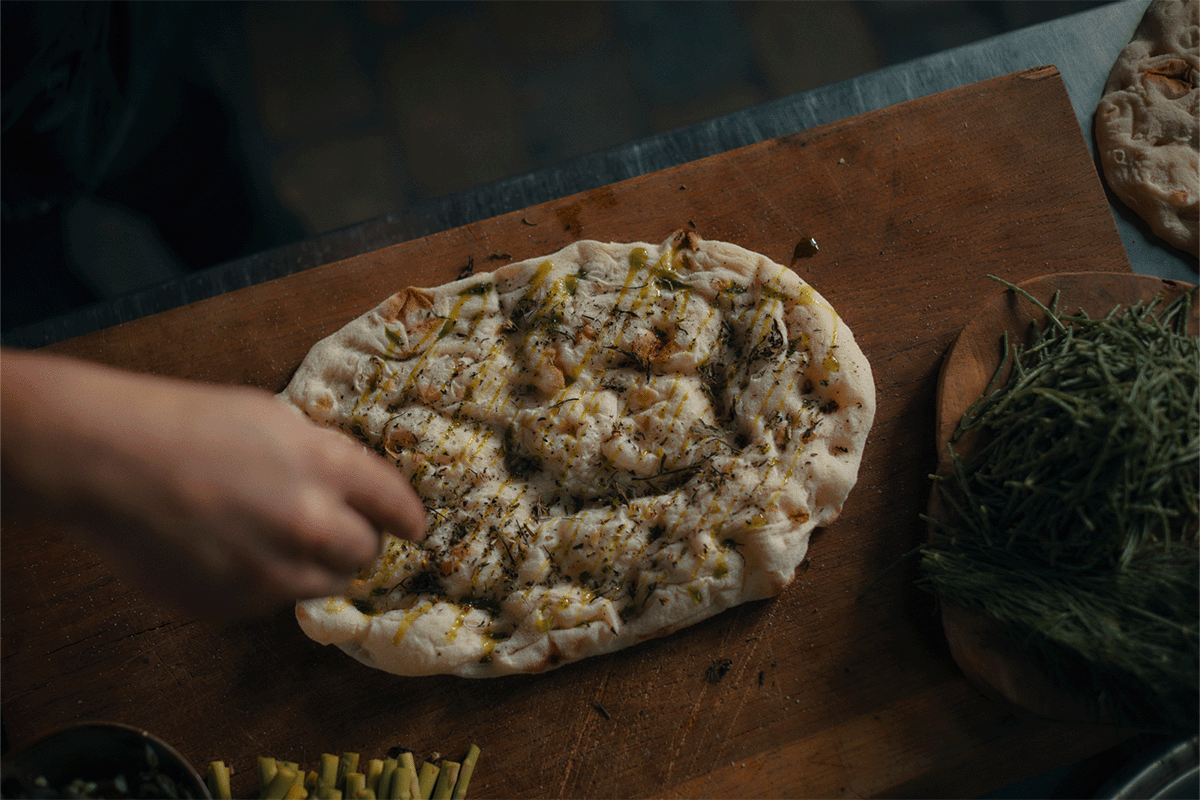
The opportunity isn’t confined to fillings. Italian bakery formats such as schiacciata and pinsa, or a thin Lebanese flatbread, can introduce provenance, texture and visual interest, while allowing operators to retain familiar fillings.
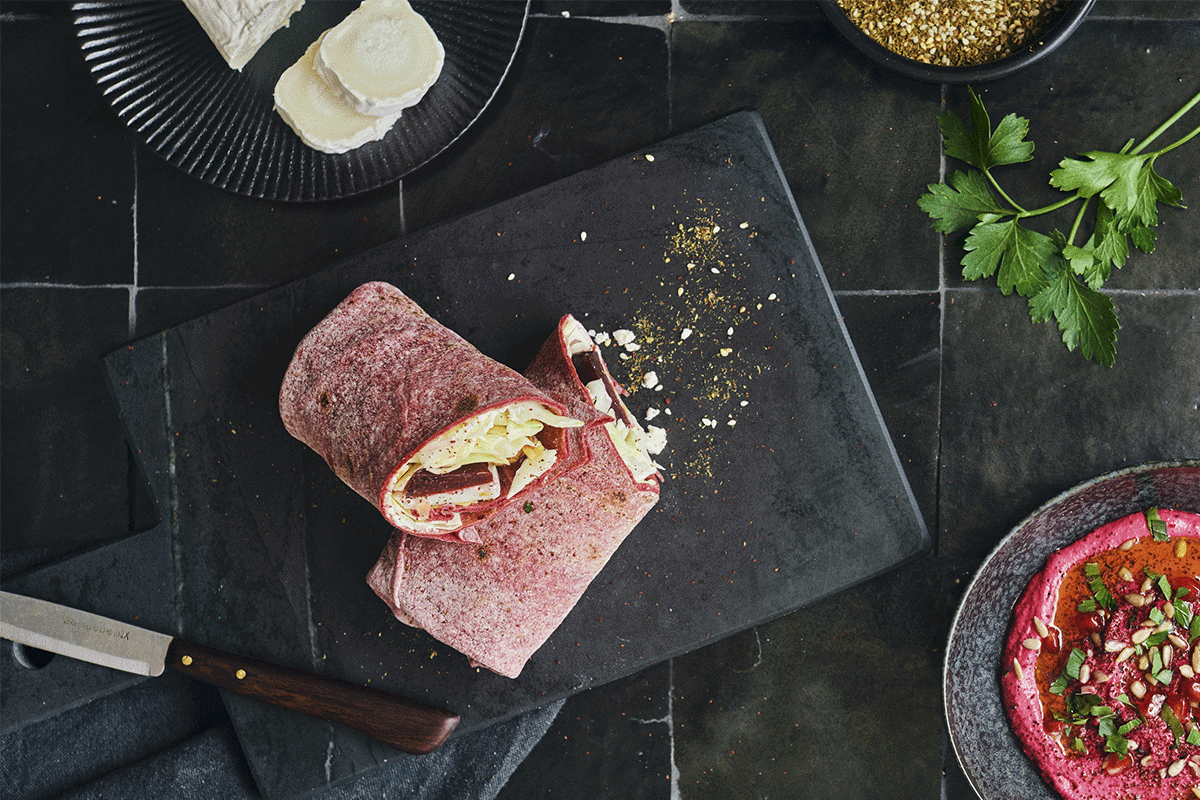
Schiacciata, for example, provides an artisan base for premium hot or cold sandwiches, while pinsa lends itself to open, folded or topped lunch formats. Lebanese flatbread provides a natural carrier for increasingly familiar shawarma-style, falafel, hummus and mezze-inspired combinations.
TRADING UP
Another key trend is the erosion of rigid dayparts. Breakfast-inspired options have relevance beyond the morning, while sandwiches and wraps are versatile enough to move between snack, lunch and substantial hot-food occasions.
That places greater value on bakery with multiple applications. A pre-sliced brioche bagel can move from a breakfast sandwich into an all-day carrier, while schiacciata works hot or cold and pinsa
supports different lunch applications.
This isn’t simply about more choice. For operators managing labour, stockholding and fluctuating demand, extracting several menu applications from fewer core products makes innovation commercially achievable.
And while consumers may remain value-conscious, that doesn’t necessarily mean the cheapest option. Lumina research shows 78.2% of consumers are highly quality-led, while 25- to 34-year-olds are particularly inclined to pay more for higher-quality and seasonal or fresh ingredients.
For sandwiches and wraps, premiumisation needs to be visible and edible. A crisp crust, open crumb, distinctive shape, quality filling or globally recognisable format all contribute to perceived value.
The strongest innovation doesn’t necessarily require more ingredients or a longer menu. It can be as simple as taking something customers already understand and making it more distinctive, better quality and worth trading up for.
TOP TIPS
1. Look beyond the filling
Use the carrier to introduce texture, provenance and visual interest.
2. Follow global flavours – but keep them accessible
International inspiration works particularly well when paired with recognisable formats and fillings.
3. Make every product earn its space
Choose versatile bakery that can work across several applications or dayparts
4. Make premiumisation visible
Consumers need to understand why an offer commands a higher price.
5. Innovate without adding complexity
Different fillings, serving styles and seasonal applications can create menu propositions from bakery already in stock.