PASSING IT ON
The retail and hospitality sector is facing yet another significant challenge. Over the next few years, new environmental legislation – particularly around packaging waste – will potentially impose substantial costs and administrative pressures on businesses already operating on tight margins.
Alongside the costs flowing from packaging taxes under the Extended Producer Responsibility (EPR) regime, small retailers, cafés, restaurants, takeaways and delivery businesses now face a further layer of complexity with the introduction of the Deposit Return Scheme (DRS).
While many smaller operators – those with turnovers below £1 million and using fewer than 25 tonnes of packaging – have been relieved to find themselves exempt from paying EPR fees, that may be short-lived. Suppliers will inevitably seek to pass their own increased costs down the supply chain. For larger operators, the financial and administrative burden will be immediate and substantial.
DRS risks compounding these pressures by transferring yet more cost and operational responsibility onto food & drink businesses.
WHAT WE KNOW
England, Scotland and Northern Ireland are due to introduce a DRS in October 2027. Wales has indicated it intends to follow the same timeline, although final details of the Welsh scheme remain unclear.
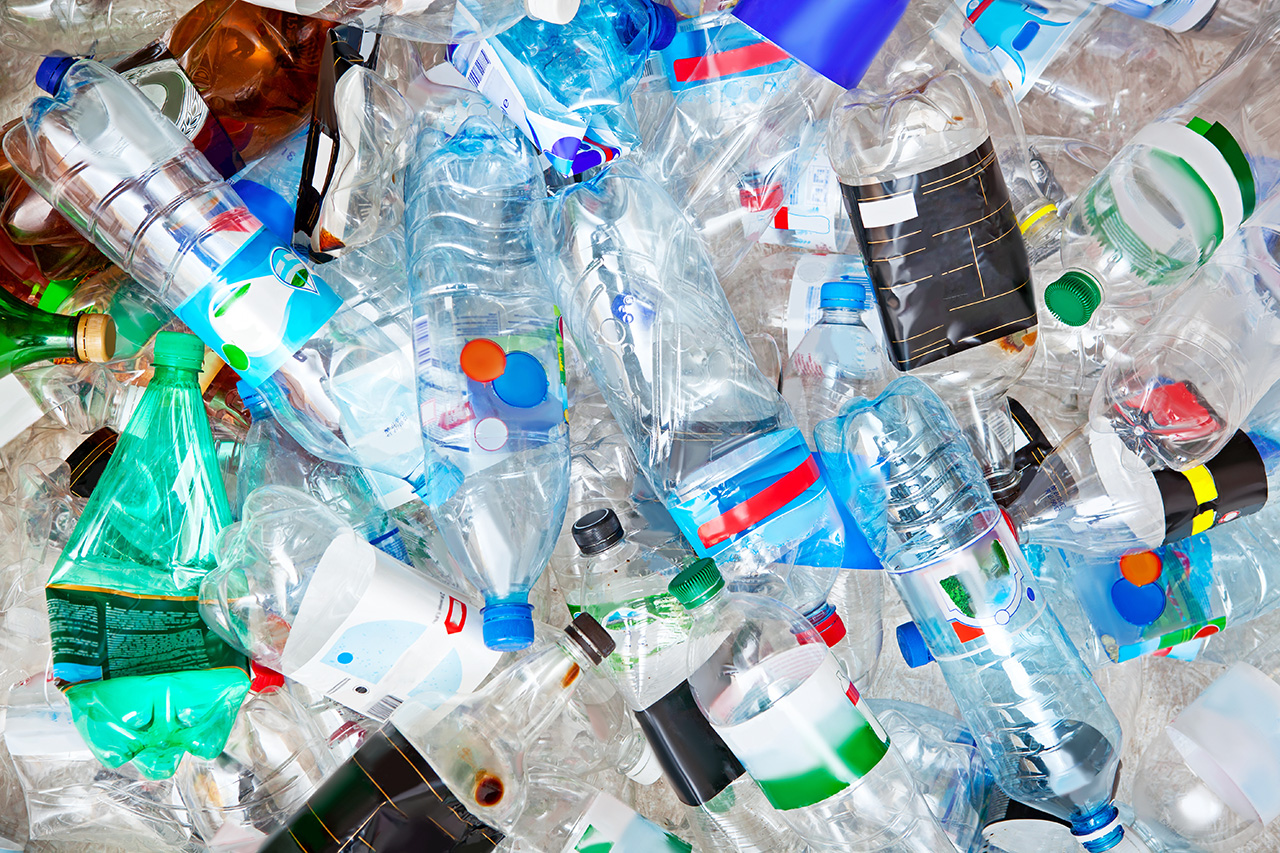
In England, Scotland and Northern Ireland, the scheme will apply to plastic bottles (excluding milk bottles) and cans ranging from 150ml to three litres. Consumers will pay a deposit – expected to be 20p per container – which they can reclaim by returning the empty container to any retailer selling drinks, regardless of where it was originally purchased. Refunds will be issued in cash or via vouchers.
Wales has stated it intends to include glass within its scheme. Whether this will materially differ from the other nations’ models remains to be seen.
HOW THE SCHEME WORKS
While the principle is simple, the execution is not.
The producer adds the deposit to the product price, which is passed through wholesalers and retailers to the consumer. When the empty container is returned, the retailer must refund the deposit and then recover that amount from the scheme administrator.
While DRS already operates in around 50 countries worldwide, and has demonstrable environmental benefits, its real-world impact on small businesses is often underestimated.
Ireland, which launched its scheme in 2024, saw 1.2 billion containers returned in the first year, alongside a reported 50% reduction in litter. A trial at New College Lanarkshire also demonstrated high engagement, with 20,000 cans and bottles returned in just one month when students were offered 20p vouchers via reverse vending machines.
There is no doubt that DRS can reduce litter and improve recycling – the question is who pays the price for delivering it?

OPERATIONAL REALITY
With an estimated 6.5 billion bottles and cans sold in the UK each year, accounting for 43% of all litter, DRS represents a fundamental shift in how waste is managed.
The scheme in England, Scotland and Northern Ireland will be overseen by a not-for-profit Deposit Management Organisation (DMO). While the DMO will set deposit levels and design the scheme, it is at the operational level that challenges emerge.
Large supermarkets are expected to install reverse vending machines (RVMs), with costs starting at £3500 per machine. While these automate much of the process, they are simply not viable for many smaller premises.
For cafés, sandwich bars, convenience stores and takeaways, returns are likely to be manual, requiring staff to:
- Accept containers not necessarily purchased on site
- Refund deposits in cash or vouchers
- Scan and register each container
- Store returned packaging securely for collection.
This creates multiple problems:
- Disruption at busy trading times
- Pressure on already limited storage space
- Hygiene risks from unemptied or soiled containers
- Increased staff workload and training requirements.
There is also the prospect of people collecting discarded containers for cash, bringing badly contaminated packaging into food-handling environments.
Storing used containers at the back of premises also becomes problematic once they have a cash value, increasing risks around theft, vermin and cleanliness.
ON-SITE CHALLENGES
Restaurants, cafés and bars face an additional complication. Where drinks are consumed on site, customers remain legally entitled to reclaim the deposit.
In Ireland, businesses have been investigated for charging deposits but failing to return containers to customers – leading to reputational damage and the risk of enforcement action, which is a complex and potentially contentious issue.
Micro-businesses operating from premises smaller than 100m sq will not be required to act as return points, and exemptions may be available based on layout, design or proximity to other return locations.
However, opting out is not always straightforward or sensible. Evidence from other countries suggests that up to 80% of consumers spend their refunded deposit in the return location, which could make participation commercially attractive – if the operational burden were manageable.
Some businesses may choose not to charge the deposit at point of sale but this needs to be clearly communicated. Even then, they will still have paid the deposit to suppliers and must handle, store and return empty containers to reclaim the funds.
While we understand the DMO is considering a handling fee to help businesses meet costs, this has not been referenced in any of the information released so far.
RETHINK NEEDED
The environmental case for DRS is strong. But unless the scheme is designed with the realities of retail and hospitality businesses firmly in mind, it risks becoming yet another unfunded mandate imposed on a sector already under extreme pressure.
If changes are required, the time to influence the design of the scheme is now.
We need to engage with the DMO to ensure the system is workable, proportionate and fair.
HAVE YOUR SAY
Are you satisfied with the current proposals, or do you believe there is a better, less onerous way to administer DRS?
Please share your views with BSA Director Jim Winship at