FTG is hugely successful in the UK. What’s your approach?
For us, it isn’t just about speed – it’s about relevance. The traditional model has been built around convenience but we’ve focused on combining this with quality, care and a sense of occasion. That’s where we believe the real opportunity sits.
At Signorelli, we approach FTG as a curated daily ritual rather than a transactional purchase. Customers aren’t just grabbing a coffee or croissant – they’re buying into a moment of calm, familiarity and trust in what they’re consuming. That mindset shapes everything from menu design to store layout.
Operationally, simplicity is key – but it’s intentional simplicity. We design our menu to be tight, seasonal and efficient, allowing us to execute consistently at high volume. That’s what enables speed without compromising quality.
We also think deeply about flow, how customers move through the space, service speed and a frictionless experience. FTG at its best should feel effortless but behind that is a huge amount of structure, planning and discipline.
How do you succeed as an independent business, with five London sites now in operation and more to come?
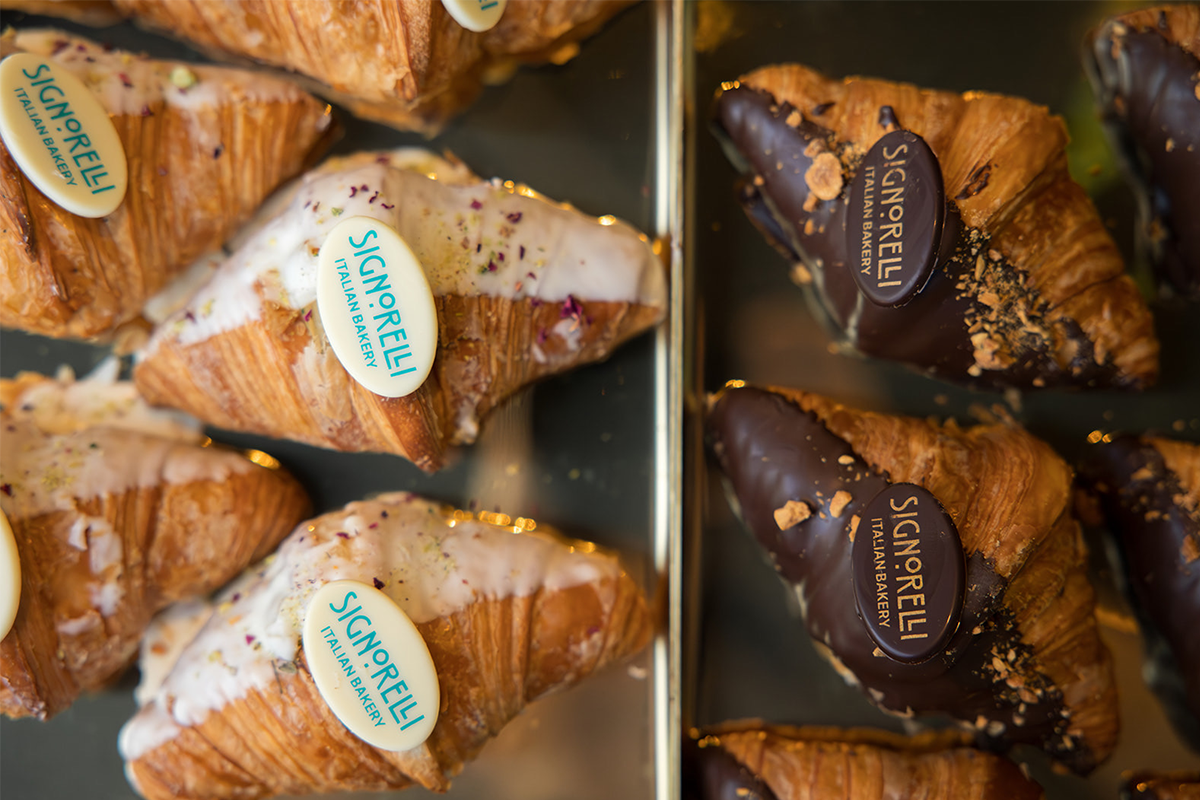
We are rooted in community, translated to a few critical pillars. First is product integrity, where everything starts. If the croissant isn’t exceptional, and its raw ingredients don’t meet our scorecard, nothing else matters. We’ve invested heavily in refining our recipes and processes, while sourcing locally from like-minded businesses so the quality is consistent across all sites.
Second is culture. In hospitality, your team is your brand. We’ve spent a lot of time around care for the product, customer and each other. Happy teams make great food.
Third is operational clarity. Independents often struggle because they rely too much on intuition rather than systems. We’ve built structure into everything, from production schedules to training, maintenance and feedback loops. This allows our team to thrive and customers to get consistency 90% of the time. That allows us to scale without losing control.
Another is opening hours, 6am to 6pm, seven days a week. We are reliable and offer a service while being independent, which is rare. And this builds trust.
Finally, we’ve embraced data without losing creativity. We track performance, understand customer behaviour and test products but still allow room for instinct and innovation from our teams. It’s about balancing both sides.
What trends are you seeing?
There’s a definite move towards simplicity but I would define it more as clarity.
Consumers are overwhelmed with choice. What they value is confidence, knowing that whatever they pick will be good. That’s why tighter menus are becoming more powerful than large, complex ones.
There’s also a shift towards quality over quantity. People might buy fewer items but they’re willing to spend on something that feels worth it. That’s particularly true in bakery and coffee, where the difference between average and exceptional is very noticeable.
Another trend is transparency. Customers are interested in where ingredients come from, how things are made and the story behind the product. That doesn’t mean you need to overcomplicate messaging but authenticity matters.
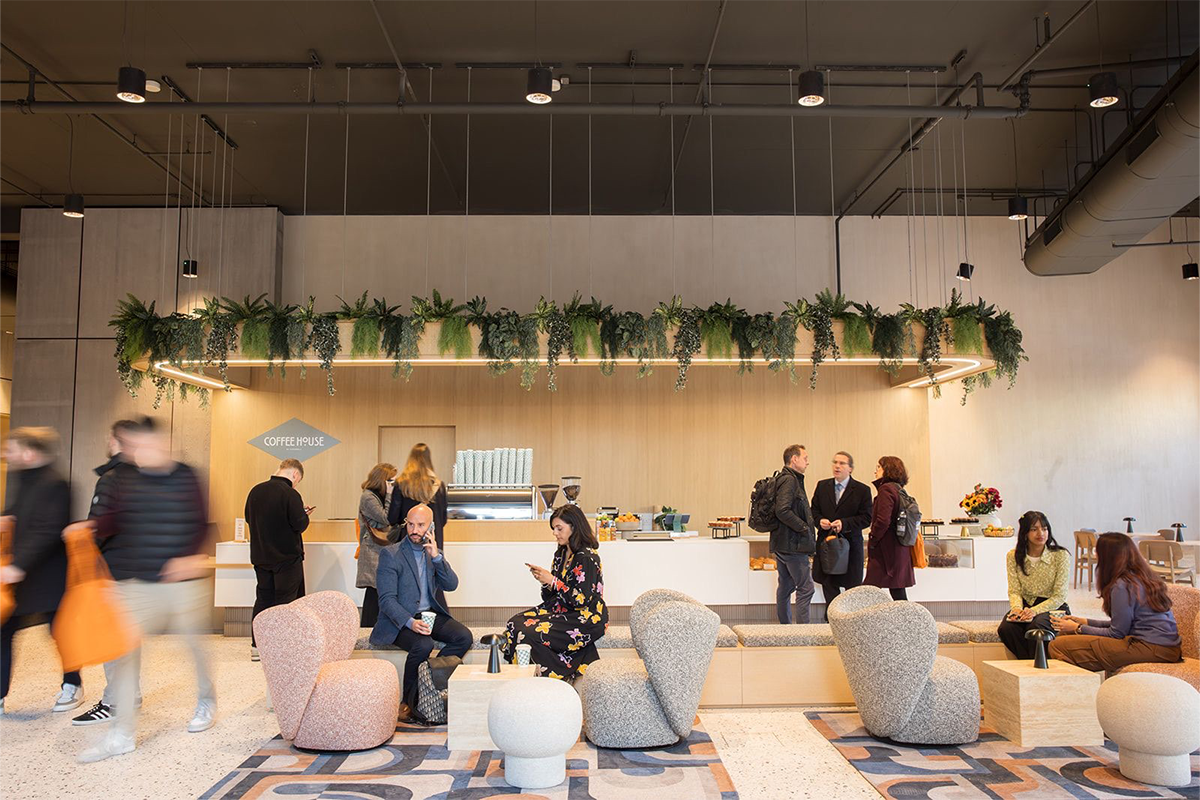
There’s a demand for hybrid experiences – spaces that allow for quick transactions and moments of pause. Even in FTG, people still want to feel something, it’s not purely functional. Be purposeful and remove the noise, not the value.
It’s a challenging time right now. How are you managing?
We focus on internal efficiency before external pricing, constantly looking at optimising operations – whether that’s reducing waste, improving processes or making smarter purchasing decisions. And with lean central teams, labour costs are focused on the shop floor, serving the customer.
Menu engineering plays a big role. We design products with both customer appeal and margin in mind, ensuring that the overall menu remains commercially viable, even if individual items are under pressure. And strong supplier relationships allow for better collaboration, pricing stability and access to higher-quality ingredients at sustainable costs.
Technology is another lever. Our AI and data tools can better forecast demand, reduce overproduction and streamline decision-making. Small improvements across multiple areas have a significant impact.
That said, there is a balance. At some point, the market has to absorb cost increases. What’s essential is how you communicate value. If customers understand and feel the quality, they’re more accepting.
In terms of partnerships, who do you work with?
These are fundamental to how we operate, taking a long-term, ecosystem approach rather than a transactional one.
On the ingredients side, some relationships have been in place for nearly a decade, growing alongside our suppliers – that consistency is a huge part of product quality. For example, we’ve worked with Estate Dairy for almost 10 years.
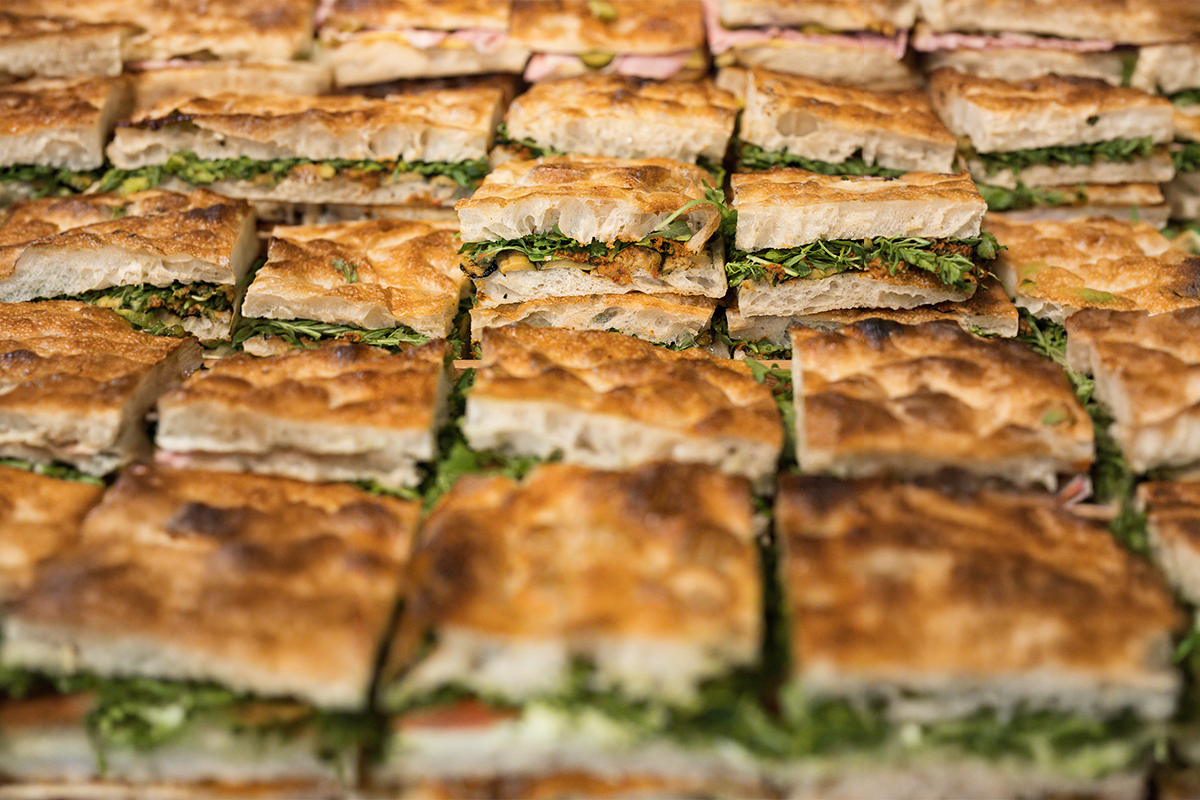
Sole e Latte supply Fior di Latte mozzarella, produced in Essex to an Italian standard. It allows us to balance authenticity with local sourcing. Our coffee comes from The Roasting in Pimlico, a relationship built over time to refine a profile that truly reflects our brand.
For hot chocolate, we use Cocoa Collection, focusing on depth of flavour and traceability. These details may seem small but collectively they define the experience.
We’ve chosen to build long-term relationships rather than constantly switch suppliers. In return, they have supported us with stability, flexibility and collaboration.
Alongside ingredients, we’ve been investing heavily in AI and technology, integrating it into our EPOS systems to connect sales data directly with production planning. That allows us to forecast demand more accurately, reduce waste and ensure we’re producing the right products at the right times of day.
We’ve also developed internal AI tools like Lui and Flo, which act as 24/7 support systems. For our teams, they provide instant access to operational knowledge, product information and troubleshooting, reducing training friction. For customers, they enable immediate access to key information such as ingredients, allergens and catering options, making the business more responsive.
Through the Made Smarter programme, we invested in a cookie machine that allows members of our team with disabilities to work safely and confidently. That’s been an important step in making operations accessible.
From a collaboration perspective, my experience at Deliveroo has been invaluable. We use tools like Slack, Google Workspace and Notion to keep communication structured and aligned across the business.
What does the future hold?
I think it will be defined by a combination of efficiency and experience.
On one side, operations will become more sophisticated, driven by data, AI and automation. Businesses that optimise production, reduce waste and respond quickly to demand will have a clear advantage.
On the other side, the human element is a priority. As systems become more efficient, the differentiator will be how a brand makes people feel. That’s where independent businesses have a real opportunity. And for us, the focus is on thoughtful expansion. We’re looking at new locations, formats and brands but always with a clear identity and purpose. Growth for the sake of growth doesn’t work, it has to be intentional.
We’re also investing in people. Training, development and creating pathways within the business.
Longer term, I see us building more ecosystem-style offerings, bringing our unique approach to support young talent wanting to bring their craft to hospitality. The industry is facing challenges but it’s also full of opportunity. Those that succeed will be disciplined, adaptable and deeply connected to their customers.