
EXTENDED HOT HOLD
As retailers look to capture grab-and-go meal occasions traditionally dominated by QSR, hot food programmes are a key area of investment. The challenge is balancing quality, labour efficiency and availability through peak demand periods.
Packaging solutions that extend hot-hold performance beyond the traditional one-hour window to two or even four hours help maintain texture appearance and eating experience consumers expect, preventing sogginess, dryness or just an unpleasant offering. Longer hold times also support batch preparation, reducing the need for constant replenishment, allowing store personnel to focus on customer engagement, merchandising and other value-added activities. Extended hot-hold solutions also help reduce product shrink and unnecessary waste.
ProAmpac’s FTG packaging portfolio incorporates customised venting and visibility features engineered to preserve quality during extended hot hold, helping retailers deliver a more consistent experience, while improving operational efficiency. Our HandRAP® solutions combine visibility with extended hot-hold performance, helping convenience stores, retailers and foodservice operators deliver a higher-quality grab-and-go experience. Designed to support longer hold times, HandRAP helps reduce labour requirements through batch preparation, while maintaining quality and minimising waste associated with products that become soggy, dry or visually unappealing.
SHELF-LIFE EXTENSION & FOOD WASTE REDUCTION
Retailers are under growing pressure to reduce waste, while delivering fresh products across increasingly complex distribution networks. Modified Atmosphere Packaging (MAP) helps address both challenges by extending shelf life from days to weeks, enabling broader distribution and reducing spoilage. This reduces markdowns, shrink and waste, making MAP an increasingly important tool for retailers pursuing both profitability and sustainability objectives.
ProAmpac’s portfolio includes MAP-compatible packaging for sandwiches and wraps, hinged trays and lidding films for salads, sides and prepared meals. These technologies help brands and retailers extend shelf life, expand distribution reach and reduce spoilage.
DESIGNING FOR SUSTAINABILITY, PPWR & EPR
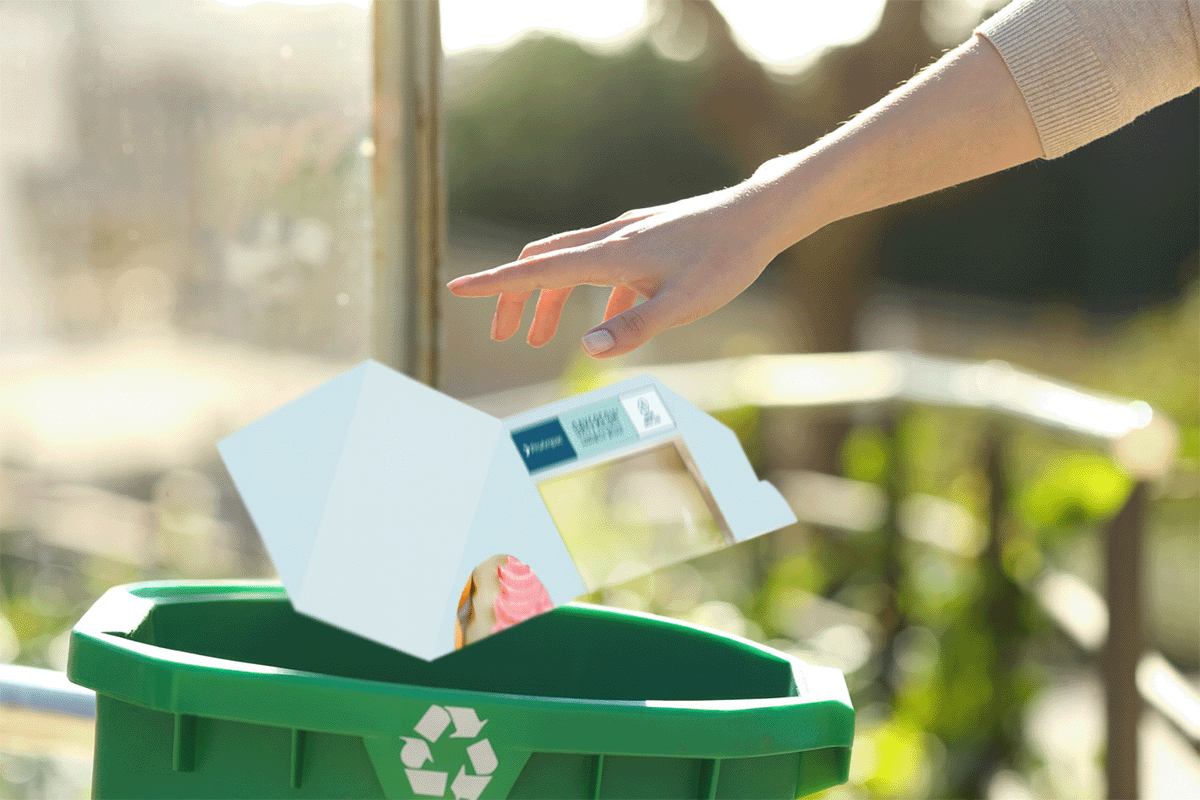
As PPWR and EPR requirements become an important reality, packaging design is evolving to prioritise circularity, material efficiency and end-of-life recovery. Reducing volume and plastic consumption remains a key focus, while growing attention is being placed on collection, sorting and recycling.
ProAmpac is helping customers meet this transition through a portfolio of fibre-based FTG solutions that deliver significant reductions in plastic usage and overall packaging weight, compared to conventional rigid plastic formats. In addition, lightweight flexible packaging, fibre-based trays, Design-for-Recycling (D4R) structures and paper-based alternatives are increasingly being adopted to support packaging minimisation goals, improve recyclability and prepare for future regulatory and cost-related requirements.
INNOVATION VIA COLLABORATION & TECH EXPERTISE
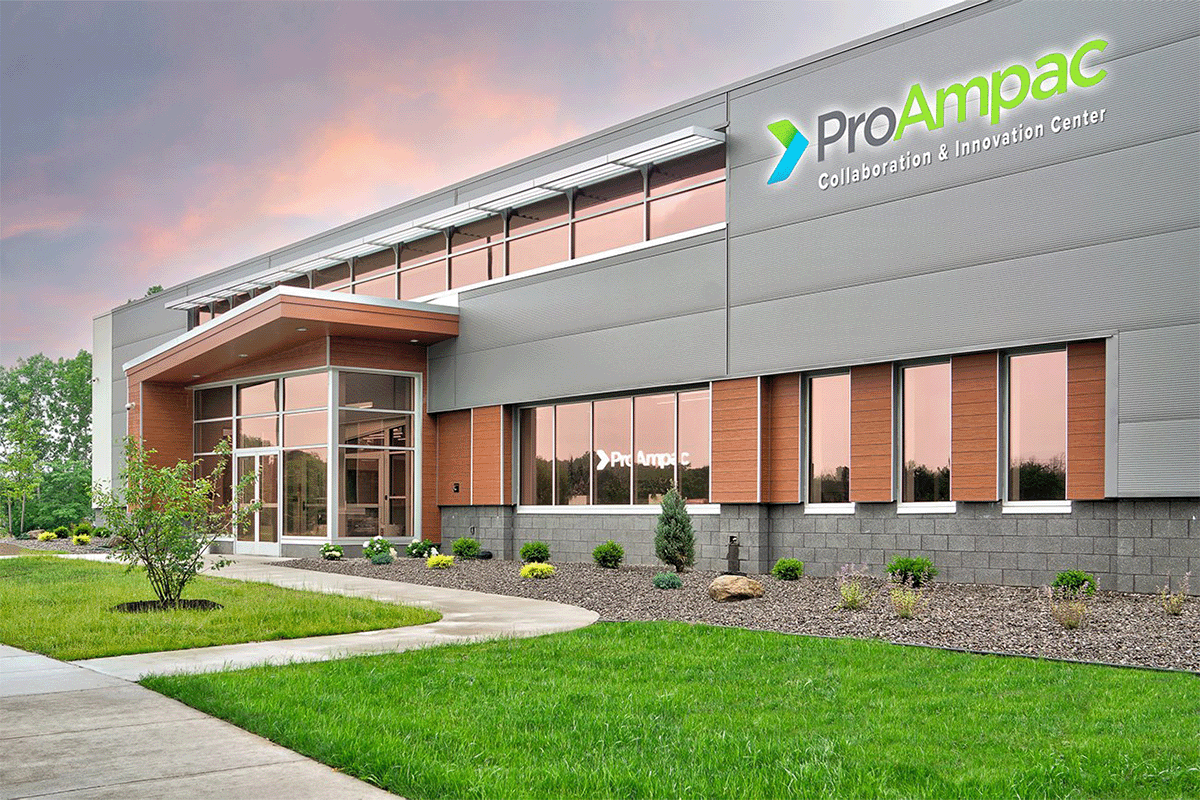
A key advantage for ProAmpac customers is access to its Collaboration & Innovation Center, where packaging concepts can be designed, produced, tested and refined in a single location. Capabilities include MAP development, extended hot-hold testing, rapid prototyping, analytical evaluation and application testing supported by commercial packaging, cooking and food-holding equipment.
By combining package design expertise with real-world testing and immediate iteration, ProAmpac helps customers reduce development timelines, often compressing projects from months to days. Working collaboratively with brands, retailers, OEMs, commissaries, co-manufacturers and equipment suppliers, ProAmpac enables faster commercialisation of solutions aligned with key trends in convenience, freshness, sustainability and food waste reduction.