
DISCERNING PALATES
Hot food, breads and wraps are becoming increasingly important to the sandwich and FTG sectors, as consumers seek convenient food that feels substantial, satisfying and worth the spend. For operators, this is creating opportunities to move beyond traditional formats and build variety into menus with breads, wraps, fillings, flavours and formats.
Value remains a key consideration, but consumers are increasingly judging this via overall product quality rather than price. Délifrance’s Prove it: The Trends Driving Sandwich Consumption in 2026 report found that 56% of consumers consider value for money when choosing where to buy a sandwich. However, higher-quality fillings (45%), freshness (44%) and better carriers (38%) all rank ahead of price alone (21%). Taste (34%) and quality (33%) are also the biggest influences on sandwich choice.
Premium breads, generous fillings and freshly prepared hot food should all be considered, creating products that genuinely feel worth the spend.
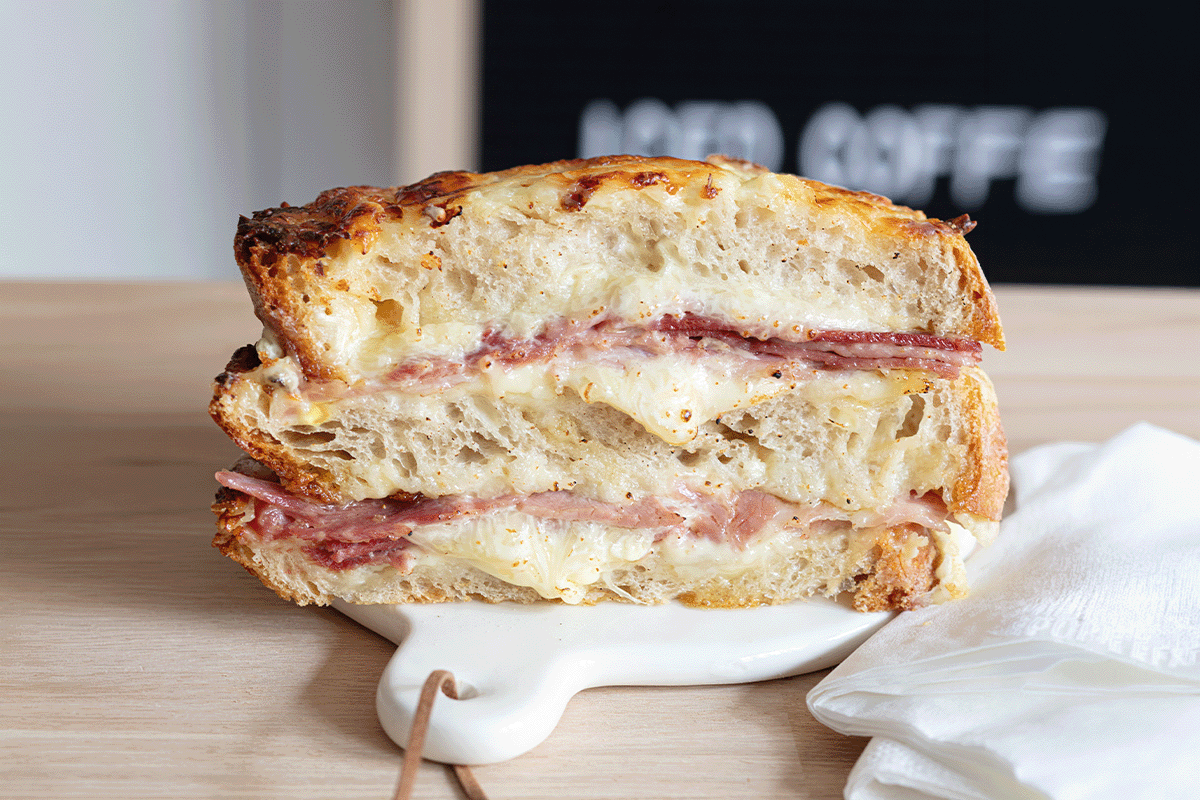
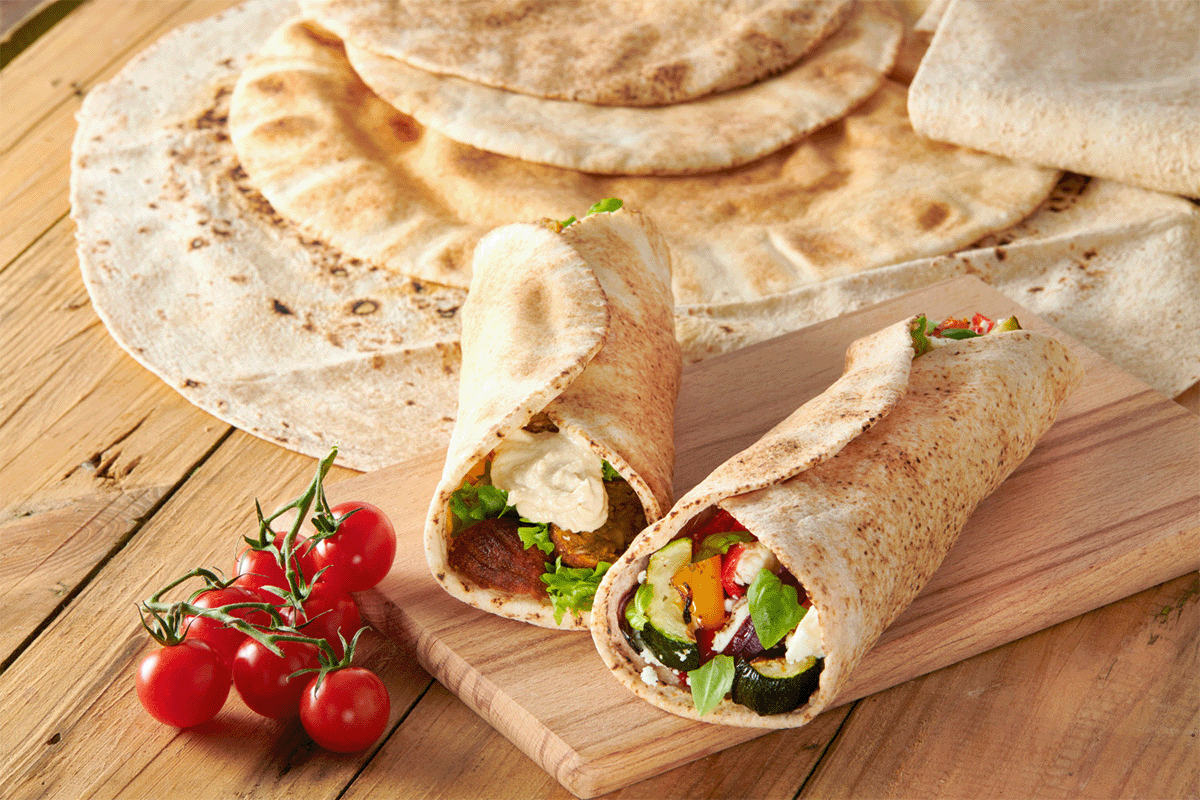
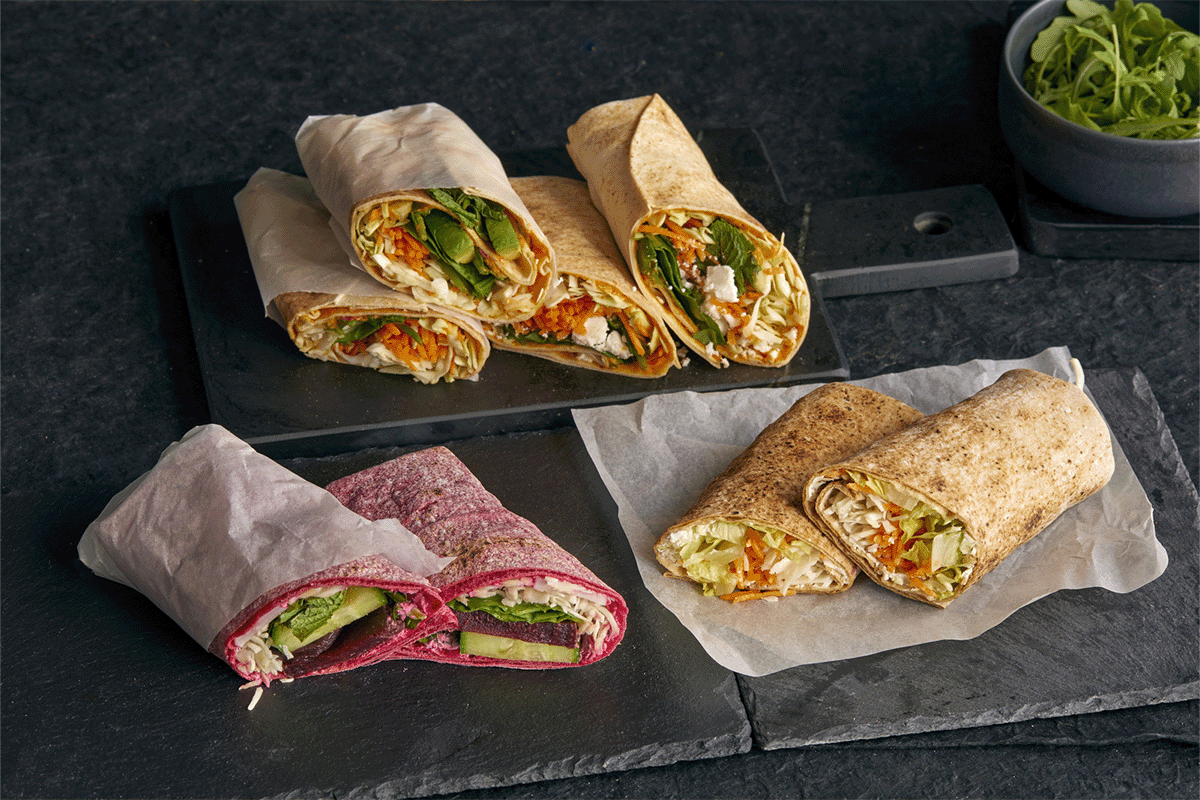
The traditional sliced loaf remains an important but consumers are increasingly exposed to a broader range of carriers – from sourdough and focaccia to ciabatta, brioche, flatbreads and tortillas. Wraps, in particular, offer flexibility, convenience and portability, while allowing the combination of familiar ingredients in new ways.
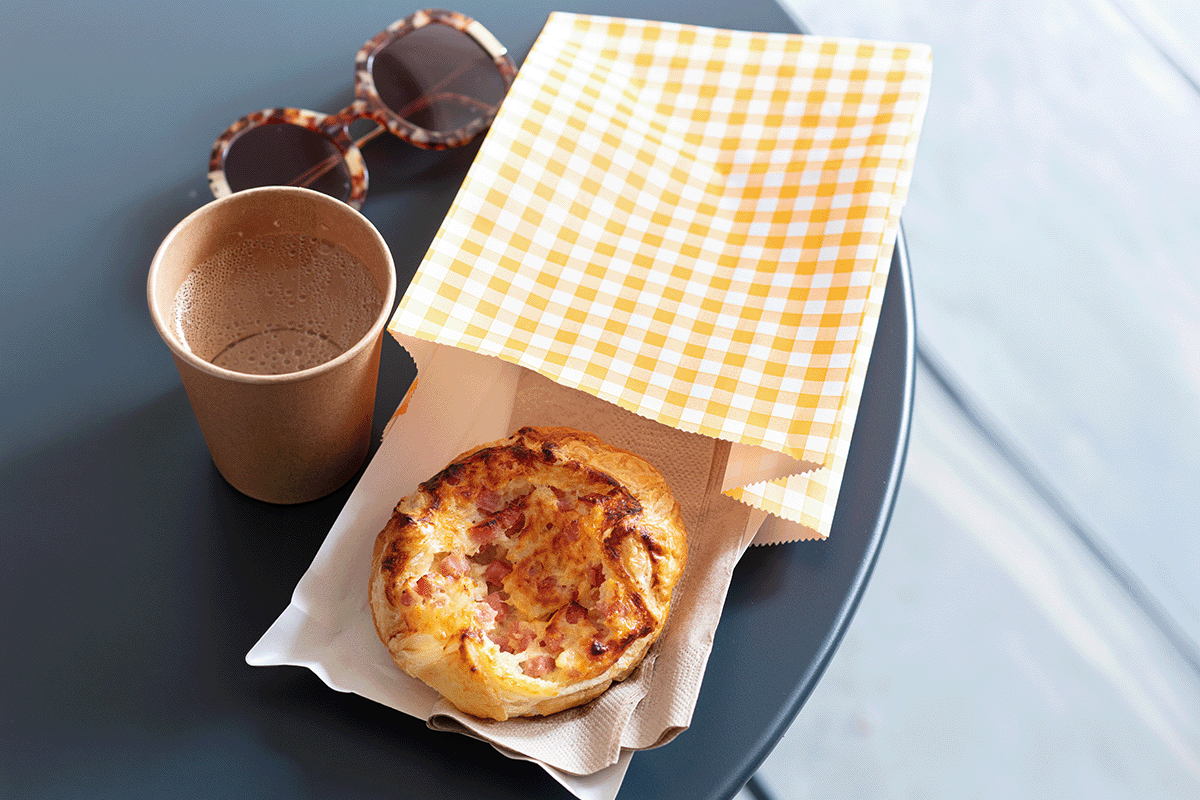
For hot food, toasted focaccia, paninis, filled croissants, savoury pastries and wraps all provide that premium, indulgent feel. The sandwich and FTG occasion can also be extended throughout the day.
Warm, freshly prepared products turn a lighter lunch or snack into a substantial meal, with hot, breakfast and brunch options capturing demand outside traditional lunchtime occasions. Familiar ingredients such as bacon, sausage, egg and cheese can be given a fresh point of difference through different carriers, formats and flavour combinations.
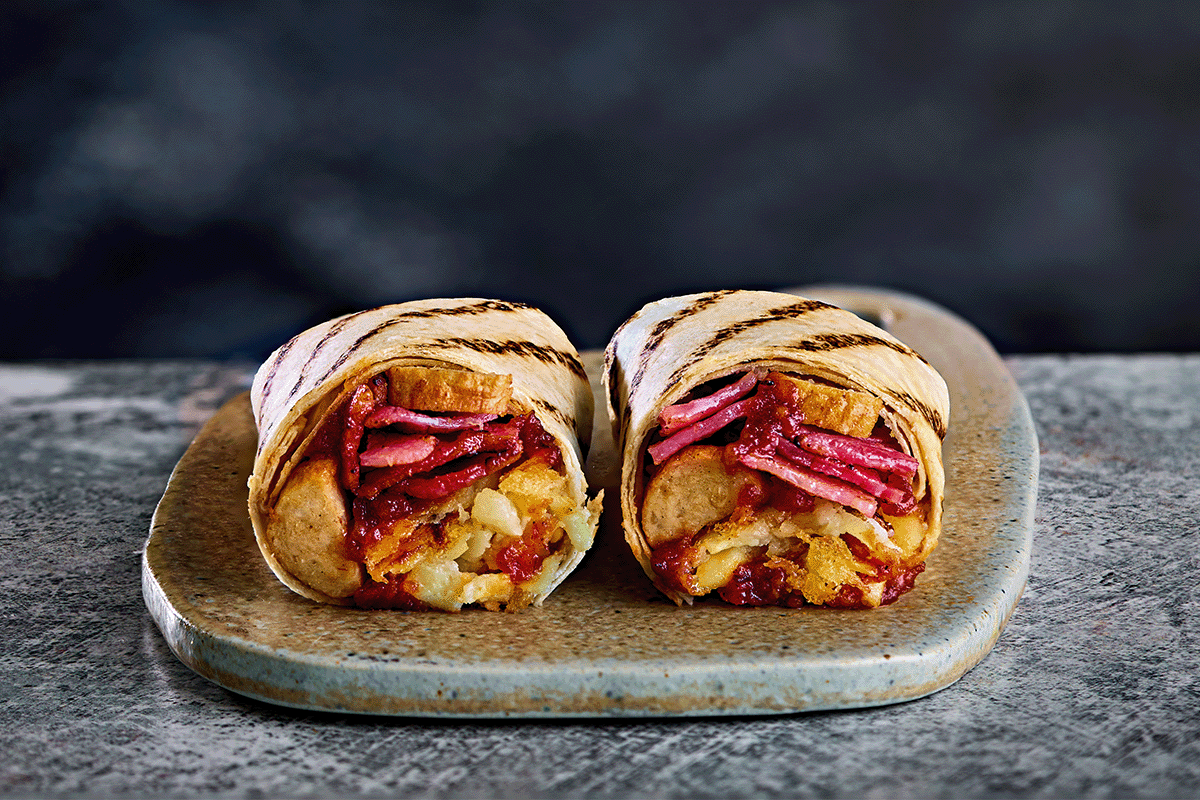
Our All-Day Breakfast Wrap is an example of this approach, combining sausage, bacon and hash brown with tomato relish in a tortilla to offer familiar breakfast flavours in a convenient format that can be enjoyed beyond the morning. This versatility reflects the way consumers are eating around their schedules, rather than sticking rigidly to traditional mealtimes.
WHOLE NEW WORLD
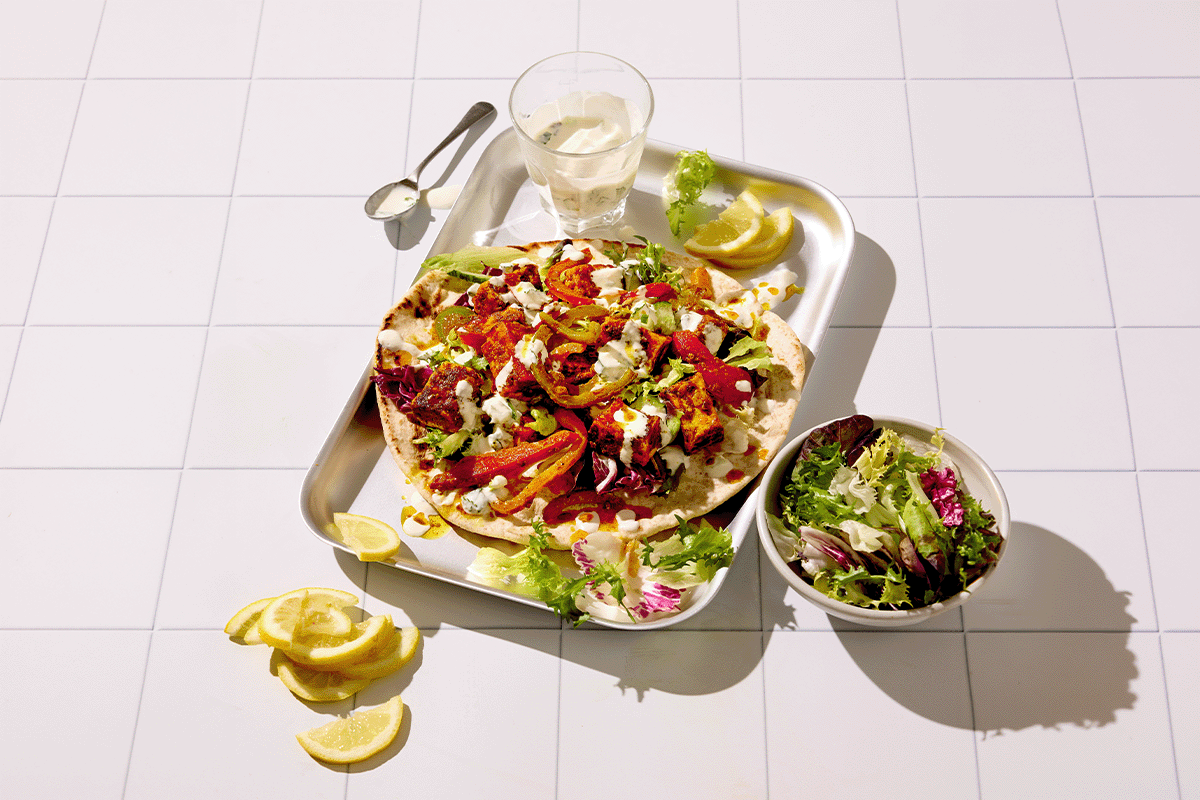
Global flavours are another major opportunity. More than half of diners regularly explore new cuisines when eating out, while 43% are looking for bold and indulgent creations that challenge the traditional1. This means international inspiration can be brought into sandwich, bread and wrap formats without requiring consumers to choose something completely unfamiliar. Vietnamese-style bánh mì, Mediterranean focaccia, Korean BBQ fillings, Middle Eastern shawarma-style flatbreads and Italian-inspired paninis are all inspirational.
Equally, international sauces, seasonings and condiments can transform established items. Ingredients such as hot honey, chilli, miso, tahini, yuzu and black sesame add distinctive flavour, while ‘swicy’ combinations offer an accessible way to introduce consumers to more adventurous profiles.
Importantly, innovation does not always need to mean a completely new product. The carrier itself provides a strong platform for NPD, whether it’s a brioche bun, premium focaccia or sourdough, or using a wrap to create a more portable hot meal.
Limited-edition and seasonal products are another effective method of driving innovation. Operators can experiment, without committing to permanent menu changes, while creating a sense of discovery that gives customers a reason to return. Délifrance research shows that 91% of consumers are more likely to buy from an operator offering limited-edition products2.
Additionally, the growing influence of GLP-1 medications is contributing to changing attitudes towards portion size and nutritional value, with a desire for smaller, balanced meals. Protein is a major consideration, with 42% of consumers actively prioritising it in their food choices3, while 48% are actively seeking fibre and probiotic benefits4. For FTG, this is creating opportunities for convenience convenience combined with high-protein, high-fibre ingredients.
In sandwiches, this means smaller or half-size formats paired with protein-rich fillings, vegetables and wholegrain or seeded carriers. The message is portion control, without compromising on satisfaction. At the same time, the continued rise of sourdough – with conversations around it increasing by more than 158% year on year5 – reflects growing interest in gut health, digestibility and natural choices.
Looking ahead, we expect the market to continue moving towards convenience, quality, nutrition and discovery. Consumers want food that fits easily into their day, with better ingredients, interesting flavours and products that feel like a treat or provide nutritional value. Flexibility is key, across breakfast, lunch and snacking.
(1&3) Innova Market Insights (2025)
(2) Circana Report
(4) Prebiotics and Probiotics: Global Mkt O’view
(5) D’france x Synthesio social listening