Packaging is a complicated issue in 2025. What advice would you give operators and how can you help?
In addition to ensuring you are up to date with regulations such as Simpler Recycling and food labelling requirements, we’d recommend an audit to reassess your needs – could you be using fewer materials, is food staying fresh in your current packs, what are the available disposal methods? We seek to develop fit-for-purpose products that offer a range of shelf-life options, while remaining compatible with multiple waste streams. Whether this is through home composting, industrial composting or recycling, our packs offer greater flexibility and help to minimise both food and packaging waste.
What’s exciting as we move into the second half of the year?
While traditionally focusing on compostable packaging, we’ve expanded our approach by joining the ORPL and launching Back to Nature – our first plant-based recyclable packaging and labelling range, developed in response to the new Simpler Recycling legislation.
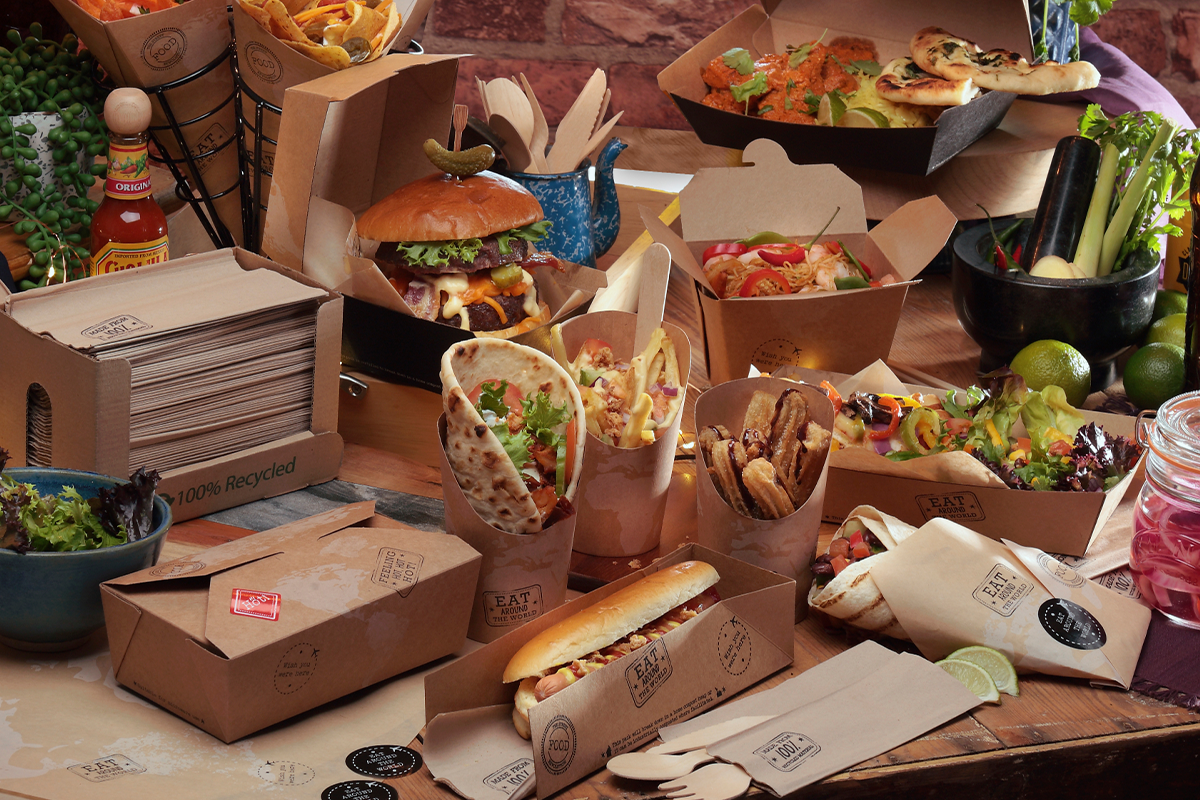
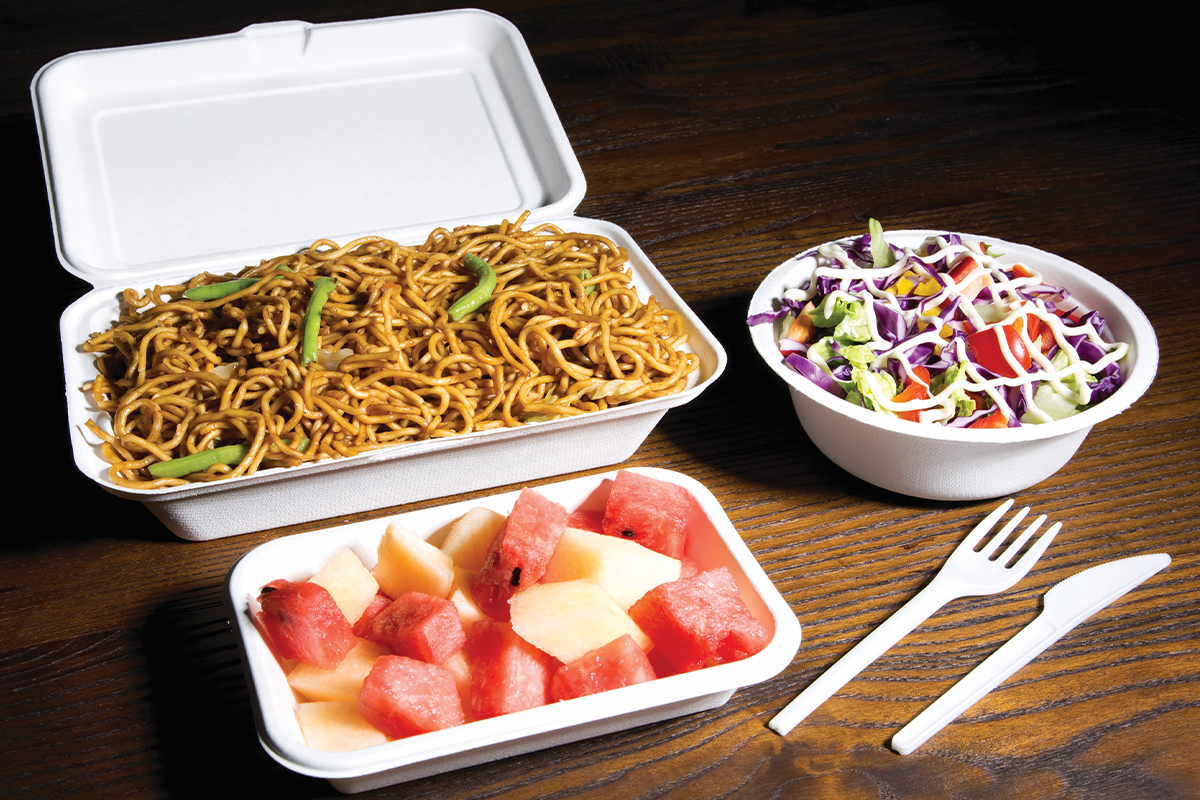
Meanwhile, we have expanded our award-winning Street Food range. This began as a three-piece mini collection in 2015 and now encompasses 11 key items for hot and cold foods, including two takeout cartons/noodle boxes; a tray; a burger box; a larger hot food clamshell pack; and most recently, a chip cup suitable for all sorts of things such as wraps, kebabs, chicken bites and other fried foods. The Street Food collection has been developed to accommodate a wide range of global cuisines, lending a festival twist to the provider’s overall presentation. Products within the range can be recycled or composted (home and industrial) post use, depending on the preferred disposal method.

Your range must have expanded a great deal in recent years?
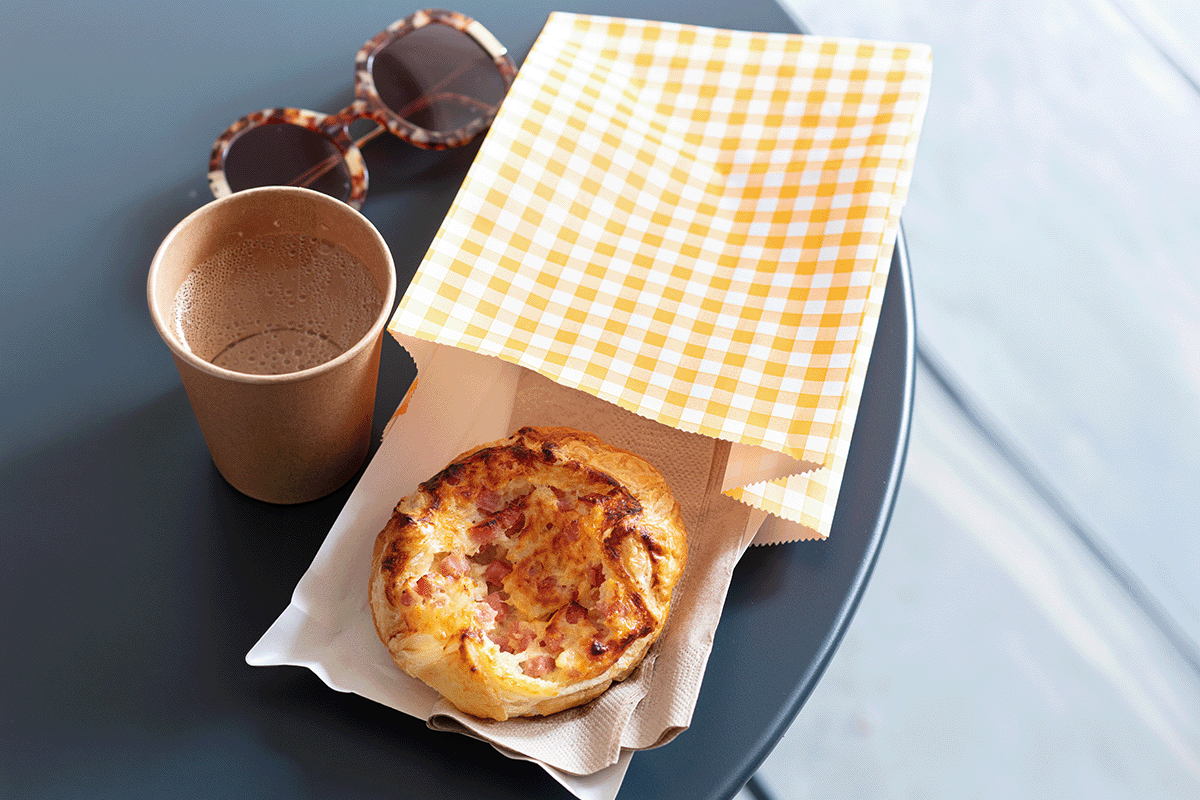
Indeed! The grab-and-go industry was hit hard by lockdown and subsequent mini budget. It wasn’t until 2023 that we saw the market reach pre-pandemic levels, and it has taken another hit over the past year in line with the contracting economy.
Three years ago, we saw sales of our sandwich products – which had been in decline since lockdown – plummet to just one-in-nine grab-and-go purchases (Apr 2022-Mar 2023). Over the preceding 12 months, sandwiches made a phenomenal comeback, as sales increased more than twofold, levelling off last year at what we estimate to be around a quarter of all grab-and-go purchases (in line with pre-pandemic sales). And hot grab-and-go offerings – which peaked at an estimated one-in-five sales (Apr 2022 to Mar 2023) – have now dropped to an estimated one-in-six.
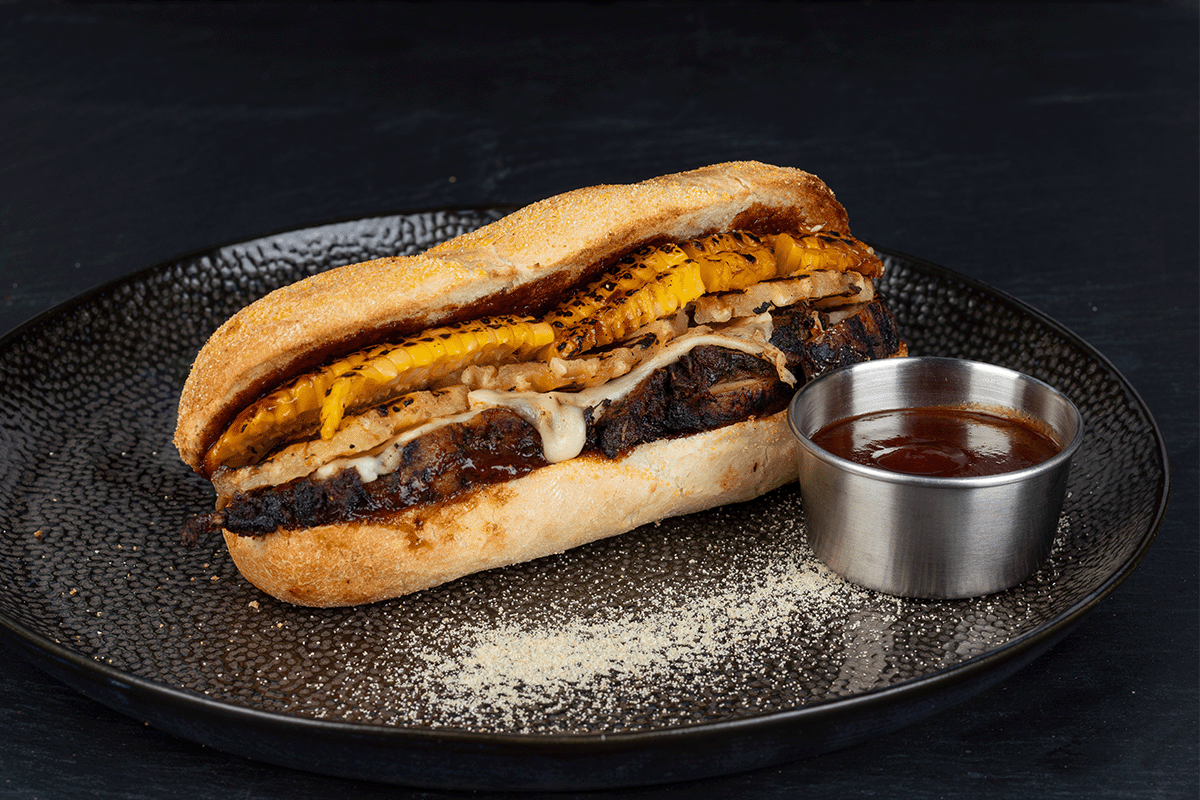
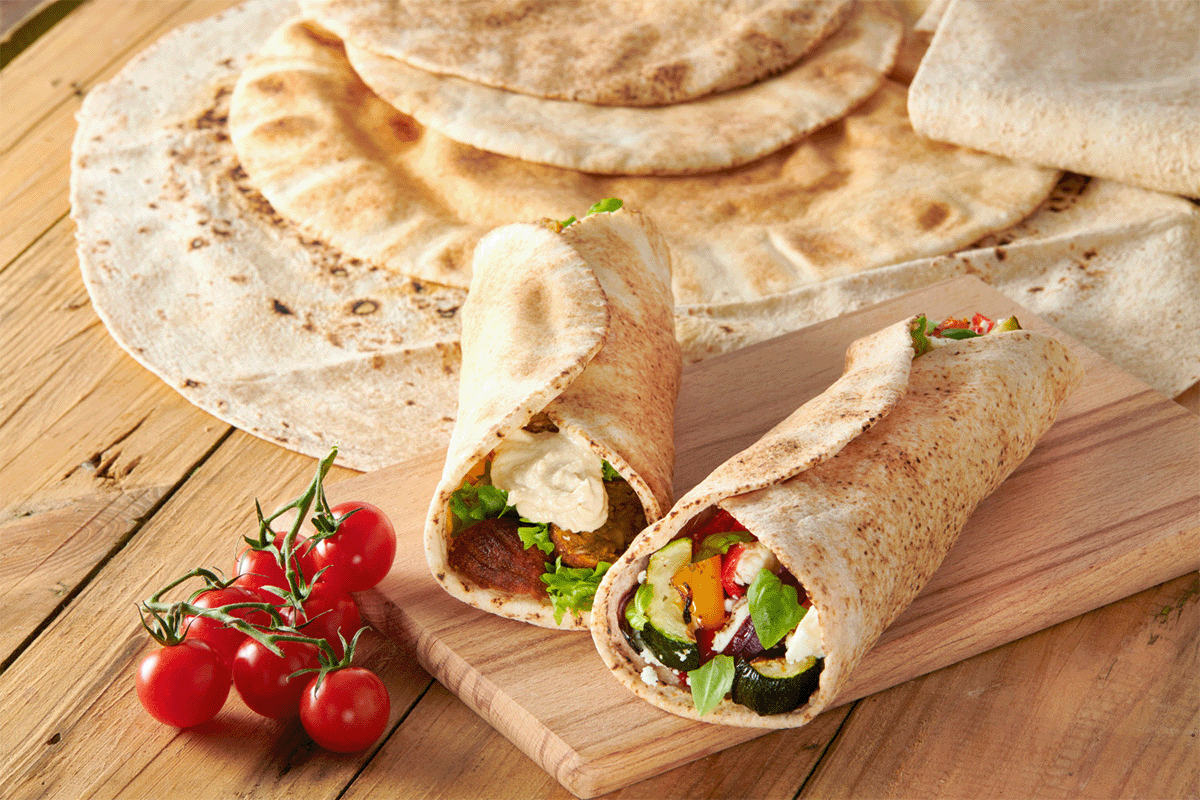
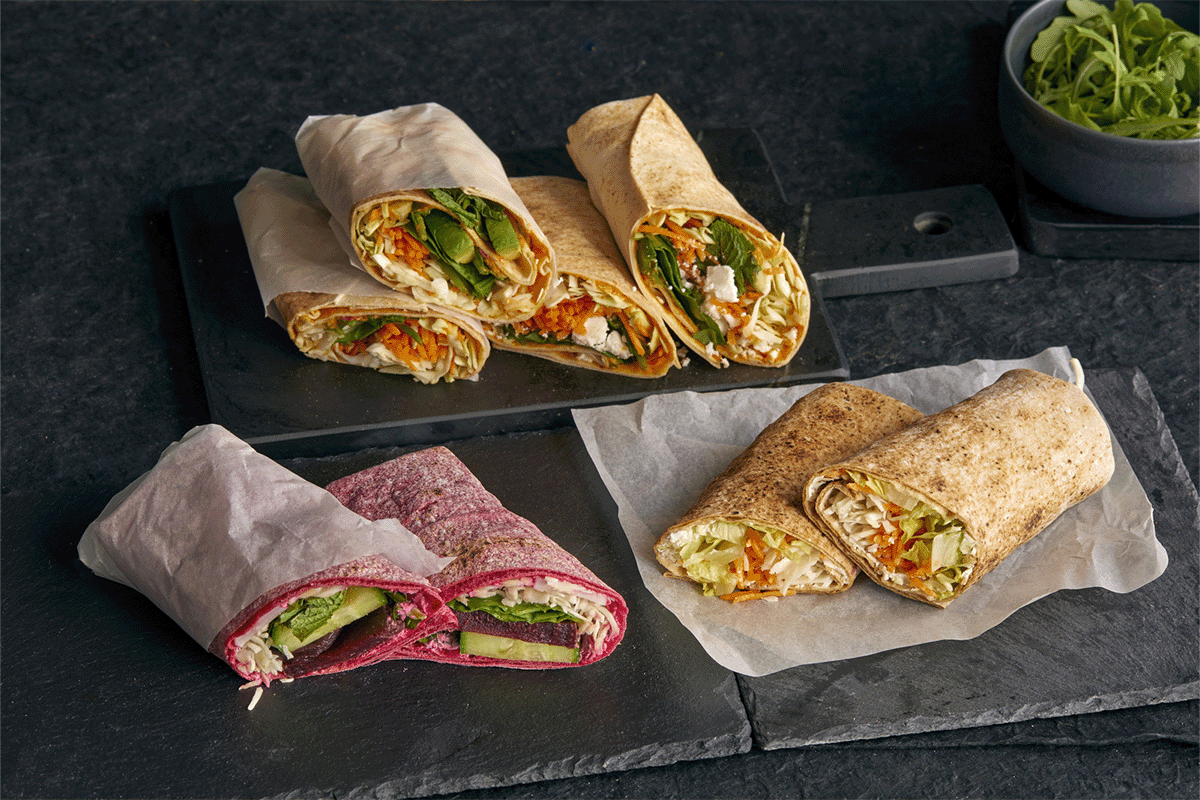
During and post pandemic, sandwiches, salads and baked goods – even hot drinks – fell dramatically out of favour as dwindling lunchtime footfall led to an uptake in hot FTG and takeout. Products with a shorter shelf life bore the brunt, and even within the sandwich category, baguettes, bloomers, rolls and subs did not get their mojo back until 2023. While sandwich sales dipped slightly last year (with the exception of wraps), they remained level, broadly speaking, with both pre-pandemic and the previous year’s sales.
Classic triangular-cut sandwiches had fared much better in the post-pandemic landscape due to tamper-evident, long-life options (heat-seal and peel and seal packs that help to safeguard a longer life while also offering greater peace of mind). These lost momentum as the demand for freshly made, same-day products returned, so we’ve seen sales of longer-life sandwich packs fall 25% in the past year.
Over the same four-year period, the demand for hot grab-and-go followed the opposite trajectory to sandwiches. This meant that, in 2022, consumers were twice as likely to opt for hot takeout over a pre-packaged sandwich. Last year, hot grab-and-go sales were levelling off at around one-in-six; pre-pandemic, it was one-in-eight.
Can you elaborate on key industry partnerships?
In terms of our labelling app, we partner with many of the leading third-party recipe management platforms – including Access, CaterCloud, Caternet, Civica, Erudus, Fourth, Kafoodle, My Purchasing Partner, Pelican and most recently IndiCater. This means you can use your existing recipe data to produce your food & drink labelling without having to duplicate it, ensuring seamless data integration and compliance with legislation.
For closing the loop on waste, we partner with PRM Waste Management Systems who provide bio-processors for breaking down compostable packaging and food waste, Soken for heat seal machines, and Kelgray for hardware. We’re always on the lookout for new partners, so if anyone is reading this and thinks we could work well together, get in touch.

The general public still needs to understand more about the environmental damage of certain packaging – would you agree?
Awareness has improved leaps and bounds over the past 10 years but a great deal of miscommunication and confusion still exists, which is not the public’s fault. Greenwashing, accidental or otherwise, permeates the industry. From manufacturers, government and other organisations and, most importantly, the constantly evolving data determining the environmental impact of materials and practices.
We’ve always strived to be as transparent about our business as possible. We’re now members of the OPRL and BBIA and have recently received ISO 14001 – the accreditation for environmental management systems. We operate within the frameworks set out by these organisations and other professional bodies, as well as our own code of best-practice.
Do you think enough is being done to combat carbon footprint in foodservice?
Frankly, no! Although the changes that would bring about the greatest reductions – such as dramatically lowering meat consumption and moving food distribution to electric vehicles only – require new infrastructure and significant cultural shifts in deeply embedded behaviours. There are signs of change but we’ve a long way to go.
While we’ve ensured our products are recyclable in line with Simpler Recycling, we strongly believe the most significant positive change would be the widespread acceptance of compostable packaging with household food waste. Once again, infrastructure investment is urgently needed to ensure the optimum processing of both food waste and compostable packaging together and tapping into this resource.
Simpler Recycling has been introduced in a bid to change behaviours across the board: from manufacturers of recyclable products, through to consumers and everyone along the way. The aim is to improve stagnating recycling rates by standardising and streamlining collections from all households, businesses, schools and hospitals.
Organisations are now required to separate dry recyclables – including paper, cardboard, plastic packaging, glass and metal – from general waste for collection. If your business generates food waste, this must also be separated for collection. Compliance is mandatory and organisations that ignore the rules face potential fines from their local authority.