
CONSCIOUS OF VALUE
Consumer behaviour in food to go is undeniably changing. Operators are having to reassess all elements of their business to take advantage, from ingredient versatility to global trends, advancements in technology and AI, alongside the most efficient and cost-effective equipment. Fortunately for Merrychef, decades of experience leave them ideally placed to deliver innovation.
“People still want a treat but they’re much more value-conscious, which is pushing growth in lower-cost FTG,” said Colin Lacey, Merrychef managing director. “We’re also seeing a shift towards smaller portions, higher-quality ingredients and protein-based. Cooking little and often rather than in large batches – responding to demand throughout the day.”
This shift in pattern of consumer footfall is creating fresh potential for further brunch and mid-afternoon occasions, coupled with post-work evening demand.
“One of the biggest trends is the growth of convenience and FTG globally. Markets are expanding as middle classes grow, particularly in regions like APAC, while more mature markets are evolving around value and accessibility.
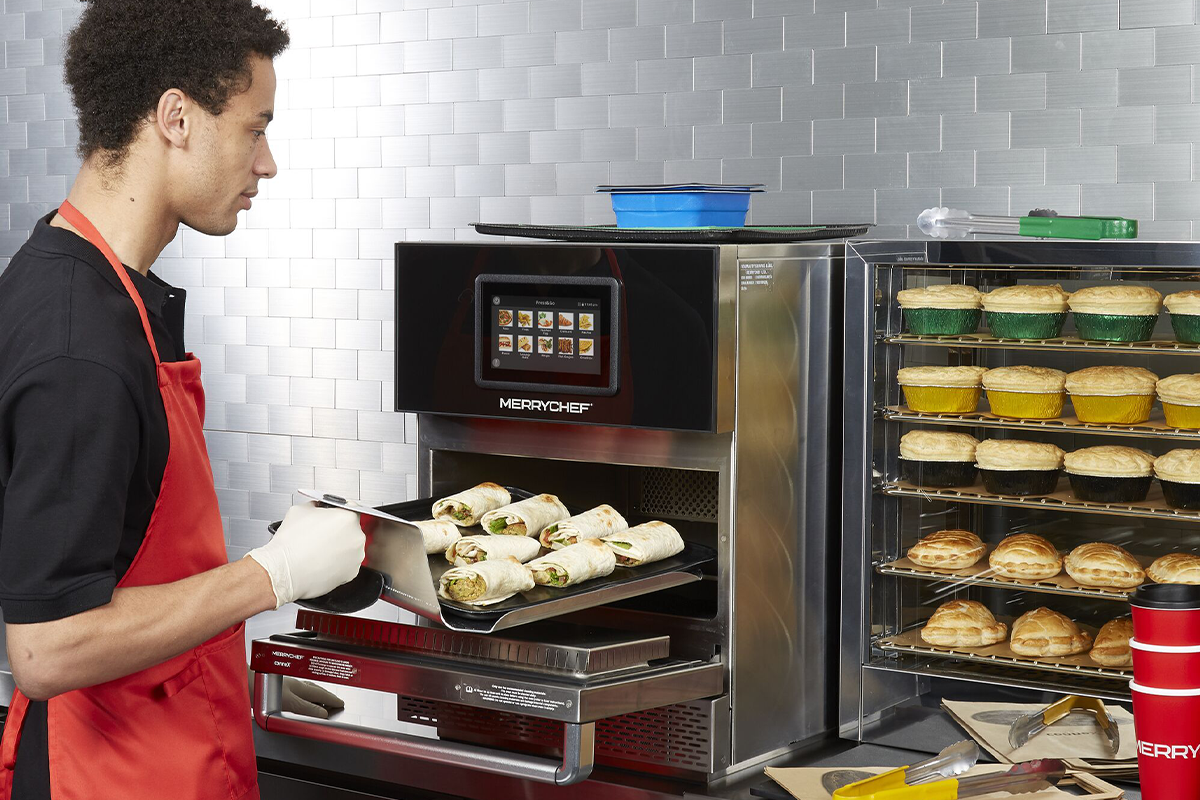
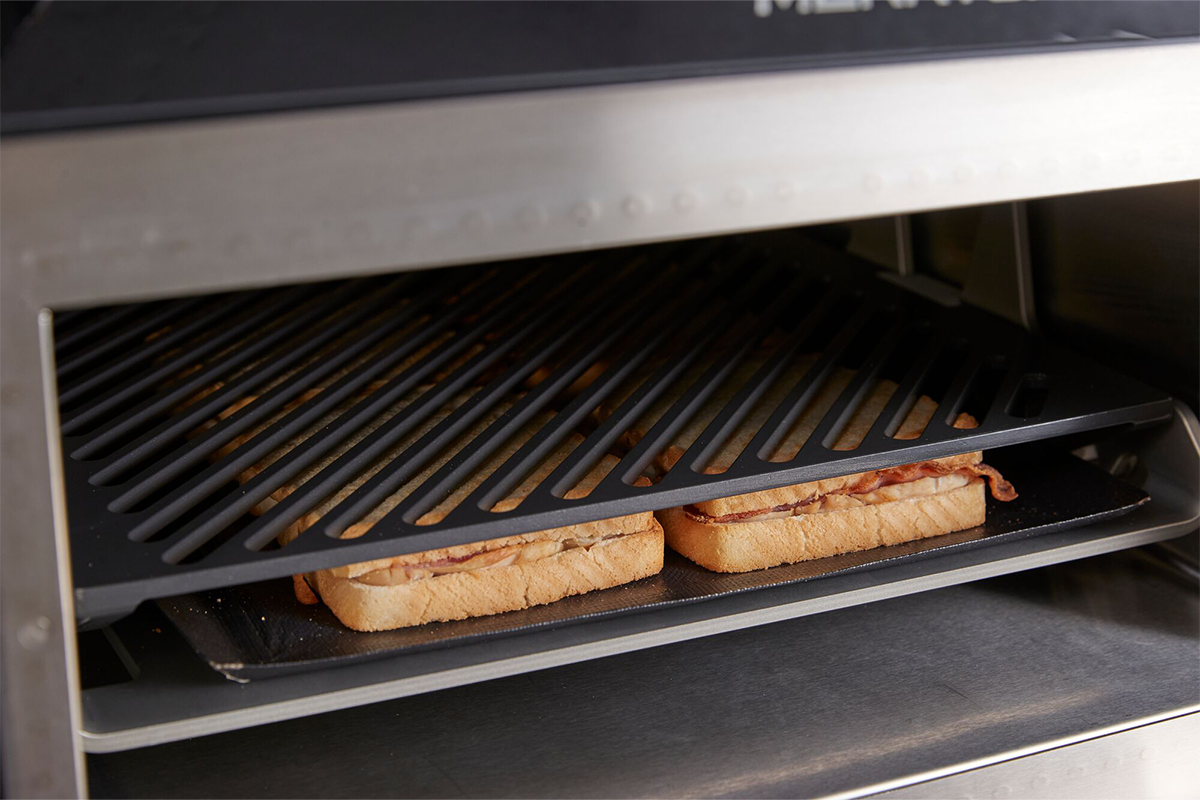
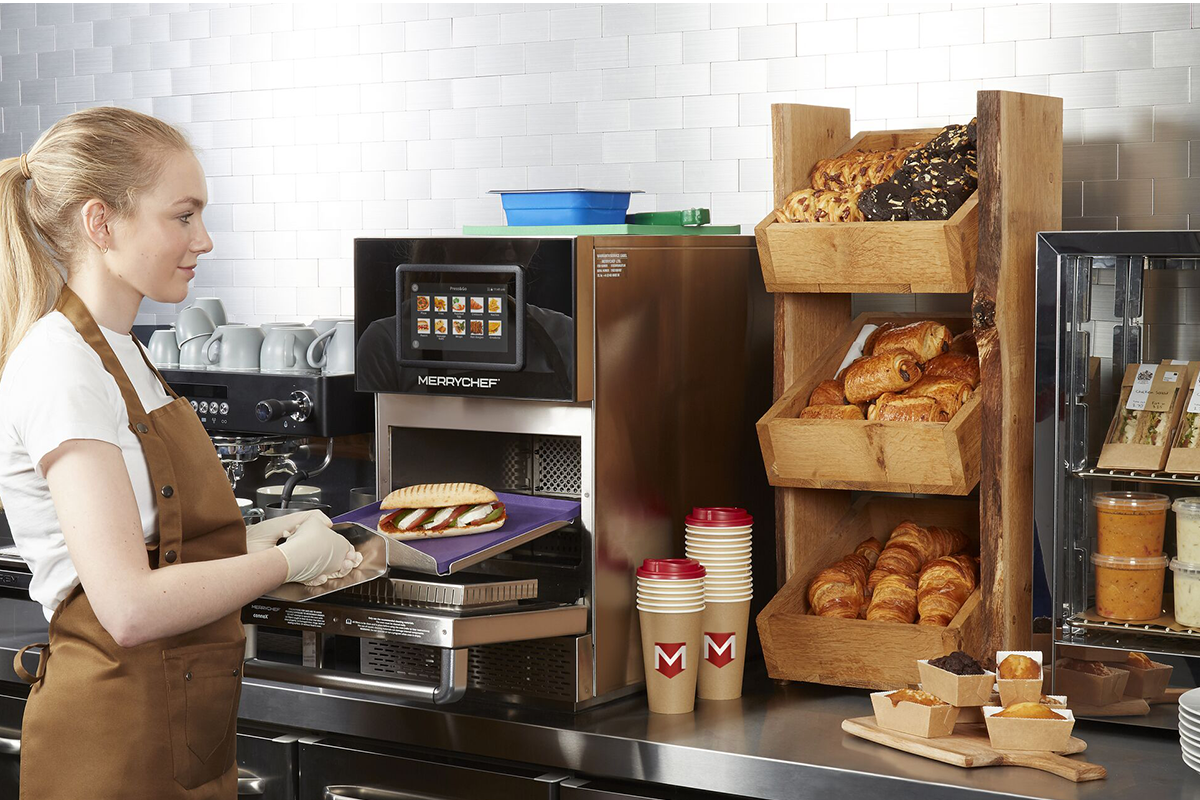
“At the same time, kitchen formats are changing. Space is at a premium, labour is a challenge and consistency is critical, which is why multifunctional, compact equipment – like the Merrychef conneX® range – is becoming ever more important.
“Ultimately, operators everywhere are looking to do more with less, and that’s shaping how kitchens are designed and how food is delivered.”
GET CONNECTED
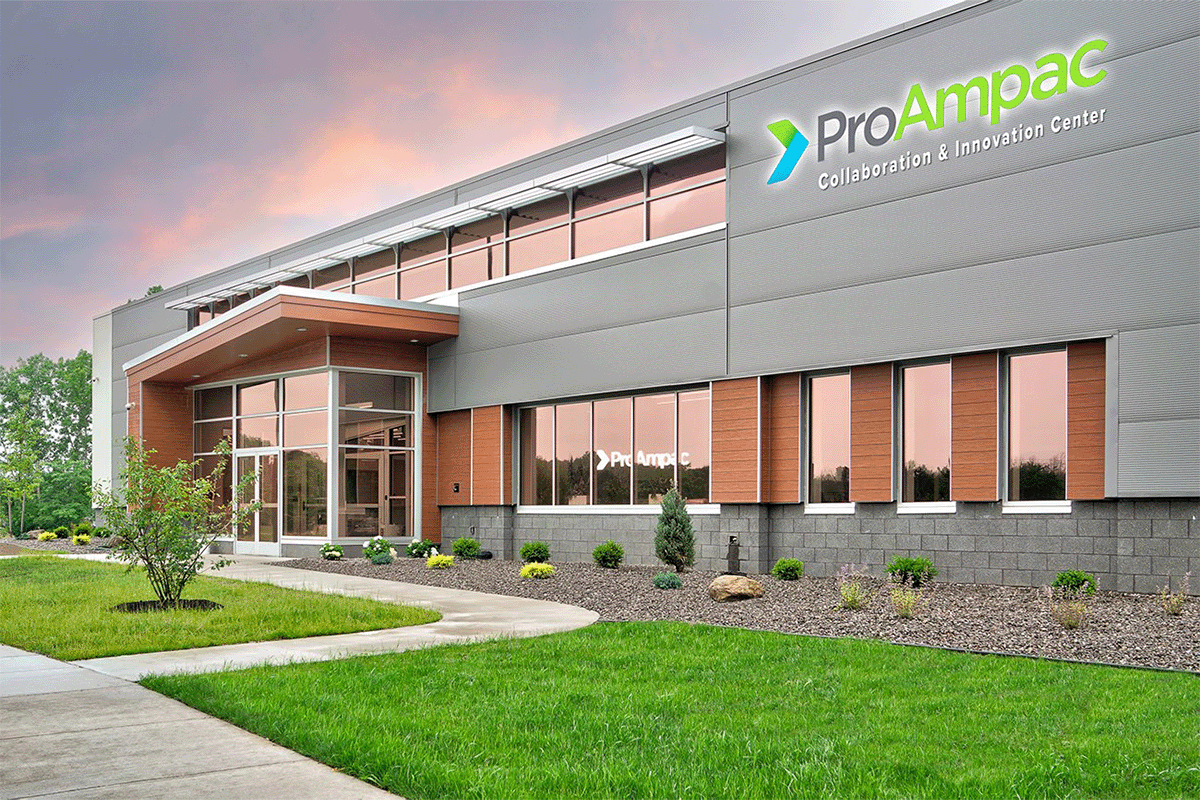
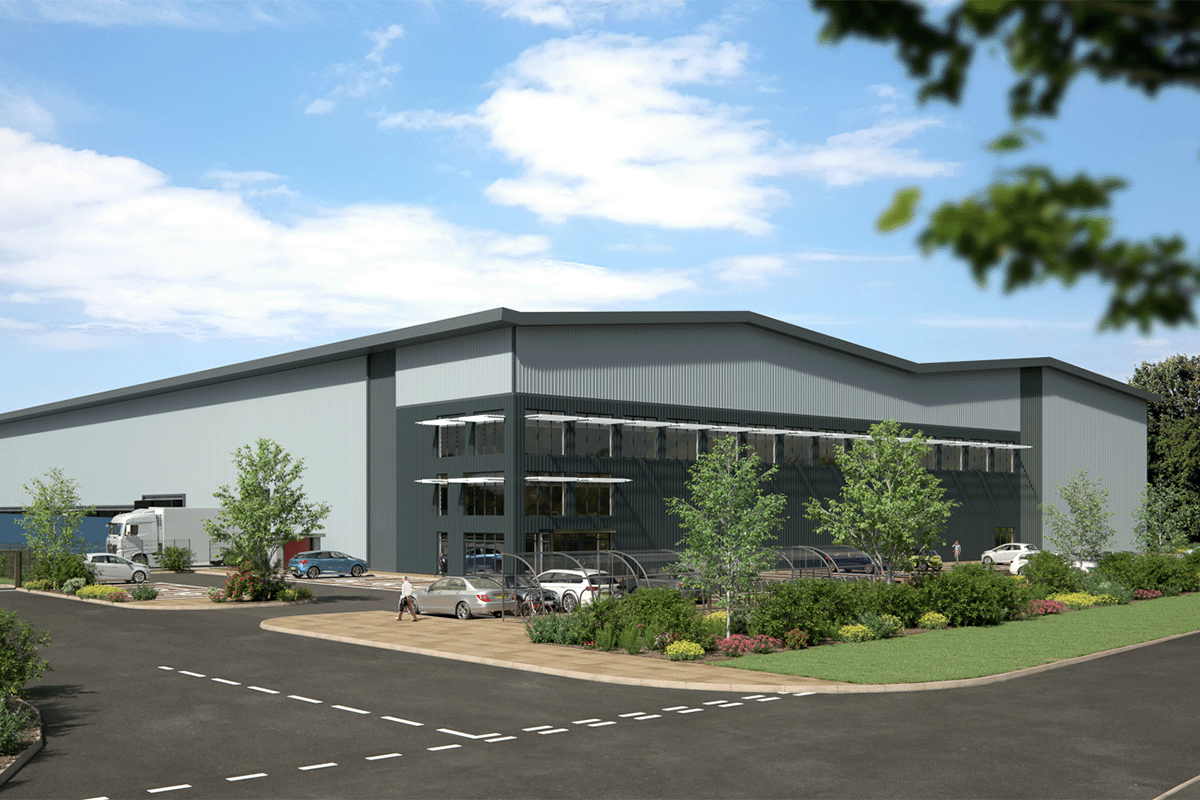
The key at Merrychef is continued investment in both manufacturing and technology. Expansion of its Sheffield facility is a major step to increasing capacity, while maintaining quality and efficiency.
“At the same time, a lot of focus is going into software and connectivity,” continued Lacey. “We’ve effectively moved to a model where the oven is powered by a computer-like interface, which allows us to develop functionality and support evolving customer needs.
“You’ll see continued progress in connectivity, data and flexibility, helping operators manage menus, performance and consistency more effectively across their businesses.”
This is all good news for those businesses struggling under the weight of financial challenges right now. So, Merrychef designs solutions around these pressures.
“That’s where multifunctionality is key. If you can replace several pieces of equipment with one appliance, you save space, reduce energy use and simplify operations.
Just as importantly, ease of use matters. You can train someone to use a Merrychef very quickly, which helps reduce dependency on skilled labour, while still delivering consistent results. We have always said that if you can use an iPhone, you can use a Merrychef!”
SERVICE ALIGNMENT
All of this is happening under the watchful eye of a digital revolution, with connectivity now essential – with core fundamentals such as menu requirements, speed and throughput, and making the most of limited space.
“Operators need equipment that aligns with their menu and service model, whether that’s high-frequency FTG, daypart-led offers or seasonal menus that need to be updated quickly.
“That’s where platforms like Kitchen Connect® add real value. Alongside enabling operators to update menus, monitor performance and manage equipment remotely, connectivity provides a clear view of how kitchens are operating in practice. It also allows operators to better understand menu performance, identifying best-sellers, emerging trends or items that may need to be reconsidered.”
And the sustainability journey is one that seemingly never ends. Increasingly tied to cost as much as environmental impact, energy efficiency, reduced waste and improved processes all have an effect on the bottom line.
“From our side, it includes everything from investing in manufacturing processes to reducing packaging and improving materials.
“We’ve made a lot of changes – from bringing processes like painting in-house to reduce transport, to investing in energy-efficient equipment and solar panels. We’re also reducing packaging and looking at ways to improve our environmental footprint across the board.
“As well as the initiatives I’ve mentioned already, once our factory extension is complete, we’ll have solar panels covering around 50% of the total roof – about 70,000 square feet out of the 140,000 sq ft available. That should generate most of our electrical needs,” concluded Lacey.